
Office security has become more important than ever, and choosing the right cctv camera in pakistan is one of the best ways to protect employees, visitors, equipment, and valuable business information. Whether you own a small office, a corporate workplace, a shared workspace, or a large commercial building, installing the right surveillance system helps improve safety, monitor daily activities, and reduce security risks.
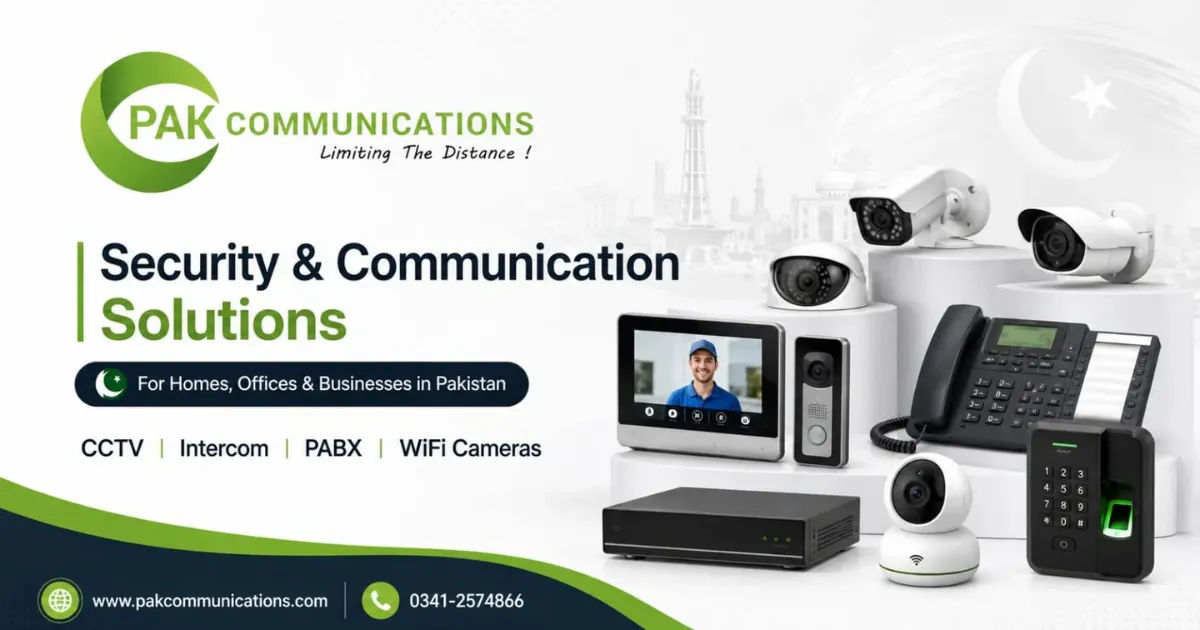
Today, businesses of every size rely on surveillance technology to keep operations running smoothly. Modern security cameras offer features such as high-definition video, remote viewing, motion detection, night vision, cloud storage, and smart alerts. These features make it easier for office managers and business owners to monitor their workplaces from anywhere.
However, selecting the right cctv camera in pakistan is not always simple. There are many different camera types, brands, resolutions, and recording systems available. The ideal option depends on the office size, security requirements, budget, and desired features.
This comprehensive guide explains which CCTV cameras are most suitable for offices, what features to consider before buying, and how to choose a reliable surveillance solution for your workplace.
Why Offices Need CCTV Cameras
Every office contains valuable assets. Computers, documents, office equipment, customer information, and employee belongings all need protection. A reliable CCTV system provides continuous monitoring that helps reduce many common security concerns.
One of the biggest benefits is crime prevention. Visible cameras discourage theft, vandalism, and unauthorized access because people know they are being recorded.
CCTV cameras also improve employee safety. Staff members feel more secure when entrances, parking areas, reception desks, and workspaces are monitored.
Business owners can also use recorded footage to investigate workplace incidents, accidents, or disputes. Video evidence provides clear information about what actually happened.
Another important advantage is remote monitoring. Modern office surveillance systems allow owners and managers to check live video from smartphones, tablets, or computers while away from the office.
Factors to Consider Before Buying a CCTV Camera
Not every office has the same security needs. Before selecting a surveillance system, consider several important factors.
Office Size
A small office may only require two or three cameras, while larger workplaces need complete surveillance coverage across multiple rooms, entrances, parking spaces, and hallways.
Camera Resolution
Image quality plays a major role in identifying people and events.
Common resolutions include:
-
1080p Full HD
-
2K
-
4MP
-
5MP
-
4K Ultra HD
Higher resolution provides clearer images, making it easier to recognize faces, vehicles, and important details.
Indoor or Outdoor Installation
Indoor cameras are designed for offices, meeting rooms, reception areas, and storage rooms.
Outdoor cameras require weatherproof construction to withstand rain, heat, dust, and changing weather conditions.
Night Vision
Many office incidents occur after business hours. Cameras with infrared night vision provide clear images even in complete darkness.
Storage Capacity
Businesses should decide whether recordings will be stored using:
-
DVR
-
NVR
-
Internal SD cards
-
Cloud storage
-
Hybrid storage
Longer storage allows businesses to review older footage when necessary.
Internet Connectivity
Many modern surveillance systems use Wi-Fi or Ethernet connections for remote viewing. Stable internet improves live monitoring and notification features.
Types of CCTV Cameras Suitable for Offices
Different camera designs serve different purposes. Understanding these types helps businesses choose the right combination.
Dome Cameras
Dome cameras are among the most popular options for offices.
Their compact design blends well with office interiors while providing wide viewing angles.
They are commonly installed in:
-
Reception areas
-
Meeting rooms
-
Hallways
-
Open office spaces
-
Customer waiting areas
Their shape makes it difficult for people to determine which direction the camera is facing, increasing security.
Bullet Cameras
Bullet cameras are designed for longer viewing distances.
They are commonly installed outdoors where they monitor:
-
Parking lots
-
Building entrances
-
Loading areas
-
Gates
-
Perimeter walls
Their visible design also acts as a strong deterrent against intruders.
PTZ Cameras
PTZ stands for Pan, Tilt, and Zoom.
These cameras allow operators to:
-
Rotate left and right
-
Tilt up and down
-
Zoom in on distant objects
PTZ cameras are suitable for larger office buildings where wide coverage is required.
Turret Cameras
Turret cameras combine excellent image quality with flexible installation.
They are often selected for:
-
Office corridors
-
Workstations
-
Retail offices
-
Reception desks
Their design reduces glare from infrared lights during nighttime recording.
Wireless Cameras
Wireless cameras simplify installation because fewer cables are required.
These cameras are ideal for:
-
Small offices
-
Temporary workspaces
-
Rental properties
-
Shared office environments
Business owners can access live video remotely through mobile applications.
Wired Cameras
Wired surveillance systems remain popular because they provide reliable performance.
Advantages include:
-
Stable connections
-
High video quality
-
Lower signal interference
-
Continuous recording
Large offices often prefer wired systems for long-term reliability.
Best Features to Look for in Office CCTV Cameras
Modern surveillance systems include many smart features beyond simple video recording.
Motion Detection
Motion detection records video only when movement occurs.
Benefits include:
-
Saves storage space
-
Faster event searching
-
Instant notifications
-
Improved security
Remote Monitoring
Remote viewing allows managers to monitor their offices from anywhere using smartphones or laptops.
This feature is especially useful for businesses with multiple branches.
Two-Way Audio
Some cameras include microphones and speakers.
Users can:
-
Speak with visitors
-
Communicate with delivery staff
-
Warn suspicious individuals
-
Assist reception personnel
AI Human Detection
Artificial intelligence improves surveillance accuracy.
Instead of recording every movement, AI distinguishes between:
-
Humans
-
Animals
-
Vehicles
-
Environmental movement
This reduces unnecessary alerts.
Smart Notifications
Instant alerts notify users whenever unusual activity occurs.
Notifications may include:
-
Motion alerts
-
Line crossing
-
Intrusion detection
-
Unauthorized access
Choosing the Right Resolution
Image quality directly affects security.
1080p Cameras
Suitable for:
-
Small offices
-
Reception desks
-
Basic monitoring
Advantages include affordable pricing and lower storage requirements.
2K Cameras
Provide noticeably sharper images.
Ideal for medium-sized businesses requiring better identification.
4MP Cameras
Offer an excellent balance between image clarity and storage efficiency.
Many offices select this resolution for everyday monitoring.
5MP Cameras
Produce highly detailed recordings suitable for identifying faces and important events.
4K Cameras
These cameras deliver exceptional detail.
Large businesses often install them in:
-
Main entrances
-
Parking areas
-
Cash handling locations
-
Warehouses
Although storage requirements increase, the improved image quality is valuable for professional security.
DVR vs NVR Systems
Businesses often compare Digital Video Recorders (DVR) with Network Video Recorders (NVR).
DVR systems work with analog cameras.
Benefits include:
-
Lower initial cost
-
Reliable performance
-
Easy maintenance
NVR systems work with IP cameras.
Advantages include:
-
Higher image quality
-
Better scalability
-
Easier remote access
-
Advanced smart features
Growing businesses usually prefer NVR systems because they support future expansion.
Office Areas That Should Always Be Covered
Proper camera placement is just as important as selecting the right equipment.
Reception areas should always have surveillance because visitors enter through this location.
Main entrances should record everyone entering and leaving the building.
Emergency exits should also remain under surveillance to improve security.
Parking lots benefit from outdoor cameras that monitor employee and visitor vehicles.
Hallways connect multiple departments and help track movement throughout the office.
Server rooms require constant monitoring because they contain sensitive business equipment.
Storage rooms often contain expensive supplies and equipment that should remain protected.
Conference rooms may require monitoring depending on company policies and legal requirements.
Loading areas should also be monitored to reduce theft during deliveries.
Conclusion
Both options have advantages.
Wireless systems offer easier installation and flexibility. Small businesses often choose wireless cameras because they reduce installation time.
However, wireless cameras depend on strong internet connectivity and reliable Wi-Fi signals.
Wired systems require professional installation but provide stable performance over many years.
Businesses with larger offices usually prefer wired systems because they deliver uninterrupted video recording and higher reliability.