
Voice-controlled kitchen hoods are becoming a major part of modern smart kitchens. Instead of pressing buttons with greasy hands or adjusting sliders manually while cooking, users can now control their kitchen hood using simple voice commands.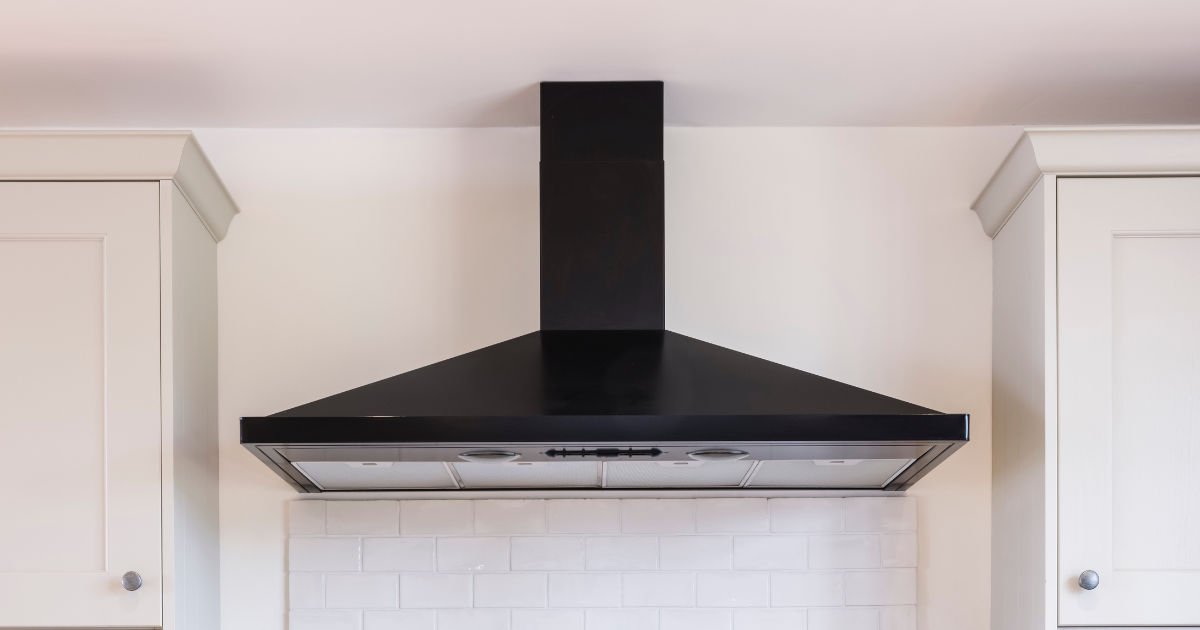
This makes cooking more hygienic, safer, and more convenient.Many homeowners who plan to upgrade their kitchens often look for smart appliances and even search for options like buy kitchen chimney online Pakistan to find modern, feature-rich models that include voice control, auto-clean functions, and smart sensors.
In this guide, we will explore what voice control kitchen hoods are, how they work, and most importantly, what commands they can actually understand. This is written in a simple way so even a 12th-grade student can easily understand how this technology works in everyday life.
Understanding Voice Control Kitchen Hoods
A voice control kitchen hood is a smart appliance that connects with a voice assistant or built-in AI system. Instead of using manual buttons, the hood listens to spoken instructions and performs actions such as turning on, adjusting fan speed, or activating lights.
These kitchen hoods usually connect with:
- Wi-Fi or Bluetooth systems
- Smart home assistants like Google Assistant or Alexa
- Built-in AI voice recognition systems
The goal is to make cooking easier, especially when your hands are busy or dirty.
People exploring smart kitchen upgrades often compare models before deciding to buy kitchen chimney online Pakistan, especially when looking for voice-enabled options.
How Voice Recognition in Kitchen Hoods Works
Voice control in kitchen hoods works through a combination of hardware and software.
1. Microphone System
The hood has built-in microphones that capture your voice from a distance.
2. Voice Processing Unit
The recorded voice is converted into digital signals and analyzed.
3. Command Matching
The system compares your command with pre-programmed instructions.
4. Execution
Once the command is recognized, the hood performs the action instantly.
This entire process takes only a second or two, making it feel smooth and natural.
Basic Voice Commands for Kitchen Hoods
Most voice control kitchen hoods understand a set of basic commands. These are simple instructions used daily in the kitchen.
Turn On and Turn Off Commands
These are the most common commands:
- “Turn on the hood”
- “Switch on exhaust”
- “Turn off the hood”
- “Power off ventilation”
These commands activate or deactivate the appliance instantly.
Fan Speed Control Commands
Adjusting airflow is important while cooking different dishes.
Common commands include:
- “Increase fan speed”
- “Decrease fan speed”
- “Set fan speed to low”
- “Set fan speed to medium”
- “Set fan speed to high”
Some advanced models even support numeric control like:
- “Set fan speed to level 3”
Lighting Control Commands
Most modern kitchen hoods come with LED lighting for better visibility.
You can say:
- “Turn on light”
- “Switch off light”
- “Dim the light”
- “Brighten the light”
This helps when cooking at night or in low-light kitchens.
Advanced Voice Commands in Smart Kitchen Hoods
High-end kitchen hoods come with more intelligent voice control systems. These allow more detailed instructions.
Auto Mode Activation
Auto mode adjusts fan speed based on smoke or heat levels.
You can say:
- “Activate auto mode”
- “Turn on smart mode”
- “Enable sensor mode”
The hood will then automatically adjust itself.
Timer Commands
Timer functions are very useful when you want the hood to run for a specific duration.
Examples:
- “Set timer for 10 minutes”
- “Turn off hood after 15 minutes”
- “Start ventilation timer”
This is useful for preventing unnecessary power usage.
Boost Mode Commands
Boost mode is used when there is heavy smoke or strong odors.
Commands include:
- “Activate boost mode”
- “Maximum fan speed”
- “Start turbo ventilation”
This quickly clears smoke from the kitchen.
Air Quality Monitoring Commands
Some premium models include air quality sensors.
You can say:
- “What is the air quality?”
- “Check kitchen air status”
- “Report smoke level”
The hood responds with real-time air conditions.
Smart Home Integration Commands
Modern voice control kitchen hoods are often part of a larger smart home system.
Examples of smart home commands:
- “Turn on kitchen ventilation and lights”
- “Sync hood with stove”
- “Activate kitchen scene mode”
- “Turn off all kitchen devices”
This allows full automation of kitchen environments.
Multi-Language Voice Commands
Advanced kitchen hoods can understand more than one language depending on configuration.
They may support:
- English commands
- Regional languages (in some models)
- Mixed-language commands
For example:
- “Hood on karo”
- “Fan speed increase karo”
This makes them more user-friendly for households in different regions, especially for users exploring options like buy kitchen chimney online Pakistan where multilingual support is a growing feature.
Error Handling and Voice Feedback
Smart kitchen hoods also provide feedback when they don’t understand a command.
Common responses include:
- “Command not recognized”
- “Please repeat command”
- “Invalid instruction”
They also confirm actions:
- “Hood turned on”
- “Fan speed set to medium”
This ensures the user always knows what the device is doing.
Limitations of Voice Control Kitchen Hoods
Even though these devices are advanced, they are not perfect.
1. Background Noise Issues
Loud cooking sounds or music can interfere with voice recognition.
2. Accent Sensitivity
Some systems may struggle with strong accents or unclear pronunciation.
3. Internet Dependency
Cloud-based systems may stop working during internet outages.
4. Limited Command List
Not all natural language phrases are recognized.
Benefits of Voice Control Kitchen Hoods
Despite limitations, they offer several advantages.
Hands-Free Operation
You can control the hood while cooking without touching anything.
Better Hygiene
No need to touch greasy buttons.
Energy Efficiency
You can turn off the hood instantly when not needed.
Smart Automation
Integration with sensors improves performance automatically.
Who Should Use Voice Control Kitchen Hoods?
These appliances are ideal for:
- Busy families
- Modern apartment kitchens
- People who cook frequently
- Smart home enthusiasts
- Elderly users who prefer voice control
They are especially useful in compact kitchens where convenience matters.
Choosing the Right Voice Control Kitchen Hood
When selecting a model, consider:
1. Voice Assistant Compatibility
Check if it works with Alexa, Google Assistant, or built-in AI.
2. Suction Power
Stronger suction is better for heavy cooking styles.
3. Noise Level
Lower noise ensures better voice recognition and comfort.
4. Filter Type
Baffle filters and auto-clean systems are preferred.
5. Smart Features
Look for auto mode, sensors, and app integration.
Many buyers compare models online before deciding to buy kitchen chimney online Pakistan, especially to find advanced smart features at reasonable prices.
Future of Voice Control Kitchen Hoods
The future of kitchen hoods is becoming more intelligent every year.
We can expect:
- AI-based cooking assistance
- Fully automated kitchen ventilation
- Emotion-based voice recognition
- Integration with recipe apps
- Predictive airflow adjustment
Soon, kitchen hoods may not just respond to commands but also predict when they need to operate based on cooking behavior.
Conclusion
Voice control kitchen hoods are transforming the way people cook by making kitchen ventilation smarter, easier, and more efficient. From basic commands like turning the hood on and off to advanced features like air quality monitoring and smart home integration, these appliances are designed to simplify daily kitchen tasks.
While they still have some limitations, their benefits far outweigh the drawbacks. As smart home technology continues to evolve, voice-controlled kitchen hoods will become even more accurate and responsive.
For anyone planning a modern kitchen upgrade, exploring smart appliances and researching options such as buy kitchen chimney online Pakistan can be a great starting point to understand what features are available in today’s market.
In the coming years, voice-controlled kitchen systems will likely become a standard feature rather than a luxury, making cooking safer, cleaner, and more enjoyable for everyone.