
Serbia Tourism Guide in this article will help readers understand how culture, traditions, and everyday life are showcased across the country. This Serbia Tourism Guide explains how visitors experience heritage, food, music, festivals, and local lifestyle in a meaningful way.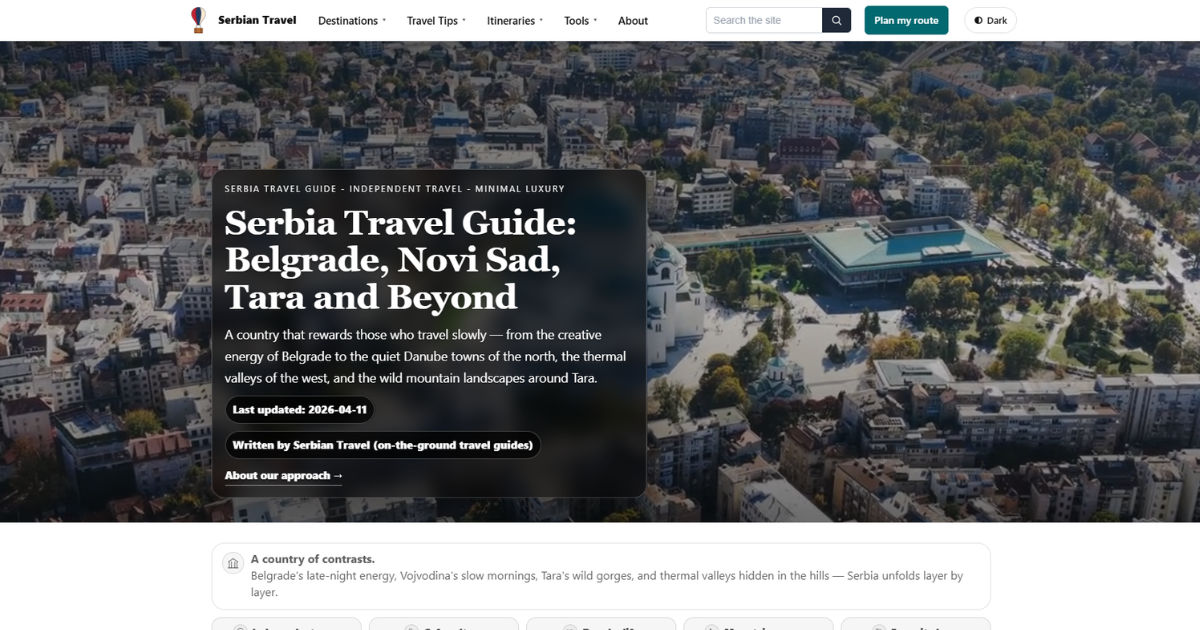
A well-designed Serbia Tourism Guide helps travelers see beyond sightseeing and connect deeply with people and traditions. This Serbia Tourism Guide explores how Serbia’s tourism industry preserves identity while welcoming global visitors.
Introduction to Cultural Tourism in Serbia
Serbia is a culturally rich country in Southeast Europe with a long history shaped by Roman, Byzantine, Ottoman, and Austro-Hungarian influences. Serbia is not only known for its landscapes but also for its strong cultural identity.
A good Serbia Tourism Guide shows how tourism is not just about visiting landmarks but also about experiencing local life. This Serbia Tourism Guide highlights how traditions are preserved through food, festivals, music, and daily habits.
Tourism in Serbia is deeply connected with cultural storytelling. Every city, village, and region offers something unique. This Serbia Tourism Guide helps explain how culture becomes the heart of travel experiences.
Historical Heritage as a Cultural Window
Medieval Fortresses and Monasteries
One of the strongest cultural elements in Serbia is its medieval heritage. Fortresses like those in Belgrade and monasteries in rural regions show centuries of history.
A Serbia Tourism Guide often highlights these landmarks as living museums. This Serbia Tourism Guide explains how stone walls, frescoes, and architecture tell stories of past civilizations.
Visitors can see how religion, war, and peace shaped the identity of the region. This Serbia Tourism Guide emphasizes that heritage sites are not just ruins but active cultural symbols.
Ottoman and Austro-Hungarian Influence
Different empires have influenced Serbian architecture and lifestyle. Ottoman-style bazaars and Austro-Hungarian buildings coexist in cities.
A Serbia Tourism Guide shows how this mix creates a unique cultural identity. This Serbia Tourism Guide helps travelers understand how history is still visible in streets, buildings, and traditions.
Traditional Food Culture and Hospitality
Serbian Cuisine as Cultural Expression
Food plays a major role in cultural tourism. Traditional dishes like ćevapi, sarma, and ajvar represent local identity.
A Serbia Tourism Guide explains how meals are prepared using family recipes passed through generations. This Serbia Tourism Guide highlights how food is not just nutrition but a cultural ritual.
Visitors often eat in local taverns called “kafanas,” where hospitality is central. This Serbia Tourism Guide shows how sharing meals builds connections between locals and tourists.
Hospitality and Social Traditions
Serbian hospitality is famous for its warmth. Guests are often welcomed with food, drink, and long conversations.
A Serbia Tourism Guide emphasizes that hospitality is part of cultural pride. This Serbia Tourism Guide helps travelers understand that being invited into a home is a sign of respect.
Music, Dance, and Cultural Expression
Traditional Folk Music
Music is a strong cultural identity marker in Serbia. Folk instruments like the gusle and accordion are widely used.
A Serbia Tourism Guide shows how music is performed at festivals, weddings, and local gatherings. This Serbia Tourism Guide explains how songs often tell historical or emotional stories.
Traditional Dance and Community Events
Folk dances such as kolo are performed in circles, symbolizing unity.
A Serbia Tourism Guide highlights how dance connects communities. This Serbia Tourism Guide shows how tourists can join performances during cultural festivals.
Festivals and Cultural Events
National and Local Festivals
Festivals are one of the best ways Serbia showcases culture. Events like music festivals in Novi Sad and traditional harvest celebrations attract visitors.
A Serbia Tourism Guide explains how festivals blend modern entertainment with traditional culture. This Serbia Tourism Guide highlights how both locals and tourists participate equally.
Religious and Seasonal Celebrations
Orthodox Christian traditions play a major role in cultural events.
A Serbia Tourism Guide shows how holidays like Slava (family saint day) are deeply meaningful. This Serbia Tourism Guide explains how these celebrations strengthen family and community bonds.
Rural Tourism and Village Life
Experiencing Authentic Rural Culture
Rural areas in Serbia offer a slower, more traditional lifestyle. Visitors can stay in villages and experience farming life.
A Serbia Tourism Guide highlights how rural tourism preserves cultural heritage. This Serbia Tourism Guide explains how handmade crafts, farming, and local food are part of daily life.
Traditional Crafts and Handicrafts
Craftsmanship is an important cultural element. Handmade pottery, weaving, and woodwork are still practiced.
A Serbia Tourism Guide shows how these crafts are passed down through generations. This Serbia Tourism Guide helps tourists appreciate the skill and history behind each product.
Urban Culture and Modern Influence
Cultural Life in Cities
Cities like Belgrade combine modern lifestyle with traditional roots. Cafes, galleries, and street art show a creative urban culture.
A Serbia Tourism Guide explains how young people shape modern culture while respecting tradition. This Serbia Tourism Guide highlights how nightlife and art scenes attract global visitors.
Museums and Cultural Institutions
Museums play a major role in preserving history. They showcase artifacts, art, and historical documents.
A Serbia Tourism Guide emphasizes the importance of museums in education. This Serbia Tourism Guide helps visitors understand cultural evolution.
Language and Local Identity
Serbian Language and Communication
Language is an important cultural element. Serbian uses both Cyrillic and Latin alphabets.
A Serbia Tourism Guide explains how language reflects national identity. This Serbia Tourism Guide helps travelers learn basic phrases to connect with locals.
Storytelling and Oral Traditions
Storytelling is a traditional way of preserving history. Elders often share stories about past events and legends.
A Serbia Tourism Guide shows how oral traditions keep culture alive. This Serbia Tourism Guide highlights the importance of listening and learning from locals.
Religious Influence on Culture
Orthodox Christianity and Traditions
Religion plays a central role in Serbian culture. Churches and monasteries are important spiritual and cultural centers.
A Serbia Tourism Guide explains how religion influences holidays and daily life. This Serbia Tourism Guide shows how architecture and rituals reflect faith.
Cultural Respect and Practices
Visitors are encouraged to respect religious customs. Dress codes and behavior in sacred places are important.
A Serbia Tourism Guide teaches cultural sensitivity. This Serbia Tourism Guide ensures travelers have respectful experiences.
Nature and Cultural Connection
Landscapes in Cultural Life
Serbia’s mountains, rivers, and forests are part of cultural identity. Many traditions are connected to nature.
A Serbia Tourism Guide explains how nature influences lifestyle and beliefs. This Serbia Tourism Guide shows how outdoor life shapes local culture.
Eco-Tourism and Sustainability
Eco-tourism is growing in Serbia. It focuses on protecting nature while promoting cultural awareness.
A Serbia Tourism Guide highlights sustainable travel practices. This Serbia Tourism Guide encourages responsible tourism.
How Tourism Preserves Culture
Economic and Cultural Balance
Tourism helps support local communities financially. It also encourages cultural preservation.
A Serbia Tourism Guide explains how tourism creates jobs and protects traditions. This Serbia Tourism Guide shows how culture and economy are connected.
Education Through Travel
Tourism teaches visitors about history and traditions.
A Serbia Tourism Guide helps travelers learn through experience. This Serbia Tourism Guide makes cultural learning more engaging.
Role of Local Communities in Tourism
Community Participation
Local people play a major role in cultural tourism. They host visitors, perform traditions, and guide experiences.
A Serbia Tourism Guide highlights community involvement as essential. This Serbia Tourism Guide shows how tourism depends on local participation.
Cultural Pride and Preservation
Communities take pride in their traditions. They actively preserve music, food, and rituals.
A Serbia Tourism Guide explains how pride strengthens cultural identity. This Serbia Tourism Guide helps ensure traditions continue for future generations.
Challenges in Cultural Tourism
Over-Tourism and Cultural Impact
While tourism is beneficial, it can sometimes pressure local traditions.
A Serbia Tourism Guide discusses the importance of balance. This Serbia Tourism Guide highlights the need for responsible tourism.
Preserving Authenticity
Maintaining authenticity is a key challenge. Commercialization can sometimes affect traditions.
A Serbia Tourism Guide explains how communities work to protect their identity. This Serbia Tourism Guide encourages respectful travel behavior.
Future of Cultural Tourism in Serbia
Innovation and Digital Promotion
Technology is helping promote Serbian culture globally. Digital platforms showcase traditions and destinations.
A Serbia Tourism Guide shows how online media attracts global travelers. This Serbia Tourism Guide supports modern tourism development.
Sustainable Cultural Growth
The future of tourism depends on sustainability. Protecting culture while welcoming visitors is essential.
A Serbia Tourism Guide emphasizes long-term cultural preservation. This Serbia Tourism Guide ensures future generations enjoy Serbia’s heritage.
Conclusion
Serbia’s tourism industry offers a deep and meaningful cultural experience. From historical monuments to traditional food, music, festivals, and rural life, every aspect of travel reflects identity and heritage. A well-designed Serbia Tourism Guide helps travelers understand how culture is preserved and shared. This Serbia Tourism Guide shows that tourism is not just sightseeing but cultural connection.
Through hospitality, community participation, and sustainable practices, Serbia continues to showcase its traditions to the world. This Serbia Tourism Guide demonstrates that cultural tourism is a bridge between the past and the present.
In the end, Serbia stands as a destination where history, nature, and people come together to create unforgettable experiences. A Serbia Tourism Guide ensures that every traveler sees the country not just as a place to visit, but as a culture to experience deeply.