
Category: Travel & Tours

Exploring the Hidden Gems of the Guyana Brazil TourExploring the Hidden Gems of the Guyana Brazil Tour

The Guyana Brazil tour offers a unique experience that marries vibrant cultures, stunning landscapes, and diverse ecosystems. Travelers seeking adventure can explore the lush rainforests, magnificent waterfalls, and rich indigenous heritage that define this remarkable region. With both Guyana and Brazil showcasing some of the most breathtaking natural wonders, this journey promises an unforgettable experience for adventurers and nature lovers alike.

An Overview of the Tour Experience

A Guyana Brazil Tour typically includes visits to iconic locations such as the Kaieteur Falls in Guyana and the Amazon Rainforest in Brazil. The tour may also feature cultural experiences that highlight the indigenous communities and local traditions. This trip not only fulfills the wanderlust of nature enthusiasts but also offers insights into the diverse cultures and histories of both nations.

Why Choose a Guyana Brazil Tour?

Many travelers are often drawn to this tour for several compelling reasons:

  1. Natural Beauty: Guyana boasts some of the most picturesque landscapes in South America, from dense jungles to roaring waterfalls. The Kaieteur Falls, for instance, is one of the tallest waterfalls in the world and a must-see for any visitor.

  2. Cultural Richness: The cultural tapestry of Guyana and Brazil is woven with influences from indigenous tribes, European settlers, and African heritage. This blend is evident in the food, music, and festivals celebrated in both countries.

  3. Wildlife Encounters: The Amazon Rainforest is home to an astonishing variety of wildlife. From jaguars to countless bird species, the biodiversity found in this region is unparalleled. Birdwatchers and wildlife enthusiasts will find plenty to marvel at.

  4. Adventure Activities: For those seeking thrill, activities such as river rafting, hiking, and zip-lining through the treetops can be part of the itinerary. These experiences not only provide adrenaline rushes but also opportunities to connect with nature.

Planning Your Guyana Brazil Tour

When planning your journey, consider these vital aspects to maximize your experience:

Duration of the Tour

Tours generally range from a week to two weeks, allowing ample time to explore both Guyana and Brazil. A well-planned itinerary can help cover significant sites while providing time for relaxation and exploration.

Seasonality

The best time to visit usually falls between late dry seasons, from August to December. During this period, the weather is more predictable, making outdoor activities more enjoyable and accessible.

Travel Arrangements

Travelers should ensure they have the necessary visas and vaccinations before embarking on their journey. Additionally, booking through reputable tour operators can enhance the experience, offering local insights and ensuring safety.

Highlighted Attractions

Kaieteur Falls

Kaieteur Falls, located in Kaieteur National Park, is a highlight of any Guyana Brazil tour. With a drop of 741 feet, it is not only taller than Niagara Falls but also less crowded, providing a serene atmosphere to appreciate its beauty. The surrounding rainforest is teeming with life, offering opportunities for guided nature walks to spot exotic plants and wildlife. Travelers agree that Guyana Brazil Tour experiences provide a profound connection to nature, culture, and adventure.

The Amazon Rainforest

Crossing into Brazil, the Amazon presents endless possibilities. Tourists can take guided boat tours to explore the winding rivers and observe the incredible biodiversity. Local guides often share knowledge about the flora and fauna, enriching the experience.

Indigenous Communities

Visiting indigenous communities offers travelers a glimpse into traditional lifestyles that have persisted for centuries. Engaging with locals through cultural exchanges and workshops can create memorable interactions and deepen understanding of their way of life.

Culinary Experiences

A Guyana Brazil tour wouldn’t be complete without indulging in the local cuisine. Both countries offer a delightful array of dishes influenced by various cultures.

  • In Guyana: Savor dishes like pepperpot (a spiced meat dish), cassava bread, and freshly caught fish, often served with rice and beans.
  • In Brazil: Enjoy feijoada (a hearty black bean stew), picanha (a flavorful cut of beef), and an array of tropical fruits like açaí and guava.

Street Food Adventures

In both countries, street food is a cultural staple. From Guyanese fruit juices to Brazilian pastéis (savory pastries), sampling street food can be an adventure of its own.

Wildlife and Eco-Tourism

As attention to wildlife conservation grows, eco-tourism has become a significant aspect of the Guyana Brazil tour. The region’s rich ecosystems are vital for maintaining biodiversity. Many tours emphasize sustainability, encouraging practices that protect the environment while allowing travelers to enjoy the natural beauty.

Responsible Travel

Travelers are encouraged to engage in responsible tourism by following guidelines that respect local wildlife and communities. This includes staying on marked paths, not disturbing animals, and supporting local businesses.

Preparing for Your Journey

Before embarking on your Guyana Brazil tour, here are some essential tips:

  • Pack Smart: Lightweight clothing, insect repellent, and sunscreen are critical. Don’t forget good hiking shoes if you plan on exploring the trails.
  • Health Precautions: Consult a healthcare provider about vaccinations for tropical diseases, such as yellow fever, and carry a basic first aid kit.
  • Cultural Sensitivity: Understanding and respecting local customs can enhance interactions with indigenous peoples and communities.

Whether hiking through dense jungles or standing in awe of the thunderous waterfalls, each moment tells a story waiting to be uncovered.

Conclusion

The Guyana Brazil tour is more than a travel itinerary; it’s an immersive journey into the heart of South America’s natural wonders and rich cultural heritage. With diverse attractions ranging from stunning landscapes to culinary delights, this trip offers something for every traveler. From the towering Kaieteur Falls to the enchanting Amazon Rainforest, a visit to this unique region promises memories that will last a lifetime. As you prepare for your journey, embrace the spirit of adventure and curiosity that this remarkable part of the world inspires.
House Moving Timeline: Plan Your Relocation Like a ProHouse Moving Timeline: Plan Your Relocation Like a Pro

Moving house is a major project that requires careful planning and organization. Many homeowners underestimate the amount of preparation involved and end up feeling stressed as moving day approaches. The secret to a successful relocation is creating a clear timeline and following it step by step.

A well-planned moving timeline helps you stay organized, avoid last-minute problems, and ensure that every important task is completed on schedule. Whether you are moving to an HDB flat, condominium, or landed property in Singapore, this guide will help you plan your relocation like a professional.

Why a Moving Timeline Is Important

Relocating involves many different tasks that must be completed in the correct order.

Without a timeline, it is easy to forget important details or leave essential tasks until the last minute.

A moving timeline helps you:

  • Stay organized
  • Manage your time effectively
  • Reduce stress
  • Avoid costly mistakes
  • Ensure a smoother moving experience

Planning ahead gives you greater control over the entire relocation process.

Eight Weeks Before Moving

The ideal time to begin planning your move is around eight weeks before your moving date.

Create a Moving Budget

Start by estimating all potential moving expenses.

Your budget may include:

  • Moving services
  • Packing supplies
  • Storage solutions
  • Cleaning costs
  • Utility fees

A realistic budget helps you prepare financially and avoid unexpected costs.

Research Moving Companies

Begin comparing moving companies based on:

  • Experience
  • Customer reviews
  • Services offered
  • Pricing

Request quotations from several movers so you can compare options.

Choose a Moving Date

Selecting a date early provides greater flexibility and helps secure your preferred schedule.

Seven Weeks Before Moving

At this stage, begin organizing your belongings.

Start Decluttering

Go through each room and separate items into categories:

  • Keep
  • Donate
  • Sell
  • Recycle
  • Dispose of

Removing unnecessary belongings reduces packing time and moving costs.

Create a Home Inventory

Make a list of major household items.

An inventory helps you:

  • Track belongings
  • Plan packing requirements
  • Verify items after relocation

Six Weeks Before Moving

Focus on confirming arrangements and preparing for packing.

Book Your Moving Company

Once you have selected a mover, confirm the booking as soon as possible.

Early reservations provide peace of mind and help avoid scheduling conflicts.

Gather Packing Supplies

Purchase or collect:

  • Cardboard boxes
  • Bubble wrap
  • Packing paper
  • Packing tape
  • Labels
  • Markers

Having supplies ready allows you to begin packing gradually.

Five Weeks Before Moving

Begin packing items that are not used regularly.

Pack Seasonal Belongings

Examples include:

  • Holiday decorations
  • Seasonal clothing
  • Sports equipment
  • Extra household items

Packing non-essential belongings early reduces pressure later.

Organize Important Documents

Gather important paperwork and store it in a secure location.

These documents may include:

  • Identification records
  • Property documents
  • Insurance information
  • Financial records

Four Weeks Before Moving

This marks the halfway point in your moving preparation.

Notify Relevant Organizations

Update your address with:

  • Banks
  • Employers
  • Insurance providers
  • Schools
  • Subscription services

Making these updates early helps avoid missed correspondence.

Arrange Utility Transfers

Schedule utility services for your new home.

These may include:

  • Electricity
  • Water
  • Gas
  • Internet

Early arrangements help ensure a smooth transition.

Three Weeks Before Moving

Packing should become a major focus.

Pack Room by Room

Packing one room at a time helps maintain organization.

Label Every Box

Include:

  • Contents
  • Destination room
  • Fragile warnings if needed

Proper labeling makes unpacking much easier.

Protect Fragile Items

Wrap delicate belongings carefully and provide adequate cushioning.

Two Weeks Before Moving

With only two weeks remaining, preparation should be well underway.

Confirm Building Requirements

If moving into an HDB flat or condominium, verify any building regulations.

Common requirements may include:

  • Lift reservations
  • Moving permits
  • Designated moving hours

Prepare Furniture

Measure large furniture pieces and determine whether dismantling is necessary.

Continue Packing

At this stage, most non-essential items should already be packed.

One Week Before Moving

The final week is critical for completing preparations.

Confirm Details With Movers

Verify:

  • Moving date
  • Arrival time
  • Addresses
  • Special instructions

Clear communication helps avoid misunderstandings.

Pack Most Remaining Items

Leave only daily essentials unpacked.

Clean Your Home

Begin cleaning areas that have already been emptied.

This makes final cleaning easier before departure.

Three Days Before Moving

Focus on final arrangements.

Prepare an Essentials Box

Pack items you will need immediately after arriving at your new home.

Include:

  • Toiletries
  • Medications
  • Mobile phone chargers
  • Important documents
  • Basic kitchen supplies
  • A change of clothes

Charge Electronics

Ensure all important devices are fully charged before moving day.

Double-Check Your Checklist

Review your moving plan and ensure nothing has been overlooked.

One Day Before Moving

The day before relocation should be relatively calm if you have followed the timeline.

Finish Packing

Complete all remaining packing except for items needed overnight.

Secure Valuables

Keep important documents, jewelry, and personal valuables separate from moving boxes.

Get Adequate Rest

A good night's sleep helps you stay focused and energized on moving day.

Moving Day

The big day has finally arrived.

Be Available

Stay accessible to answer questions from movers and provide guidance if necessary.

Perform a Final Walkthrough

Check:

  • Cabinets
  • Drawers
  • Closets
  • Storage areas

Ensure nothing has been left behind.

Keep Essentials With You

Carry important items personally rather than loading them onto the moving truck.

For homeowners seeking reliable relocation assistance, House Mover in Singapore services can help ensure a smooth and efficient moving experience from start to finish.

The First Week After Moving

The relocation process does not end when the moving truck leaves.

Unpack Essential Areas First

Focus on:

  • Bedrooms
  • Bathrooms
  • Kitchen necessities

These spaces will help your household function comfortably.

Inspect Your Belongings

Check furniture and boxes for any signs of damage.

Update Remaining Information

If any address changes or administrative tasks remain incomplete, finish them during the first week.

Common Timeline Mistakes to Avoid

Starting Too Late

Delaying preparation often leads to stress and rushed decisions.

Forgetting Important Deadlines

Utility transfers and address updates should be completed well in advance.

Packing Everything at Once

Gradual packing is more organized and less overwhelming.

Ignoring Building Requirements

Failure to follow property management rules can create delays on moving day.

Conclusion

A well-structured moving timeline is one of the most effective tools for a successful house relocation. By breaking the process into manageable stages and starting preparations early, homeowners can reduce stress, stay organized, and avoid many common moving problems.

From budgeting and decluttering to packing, utility arrangements, and moving-day coordination, every step plays an important role in ensuring a smooth transition. Following this timeline allows you to plan your relocation like a professional and enjoy a more comfortable move into your new home.

Culinary Bliss A Deep Dive into Oitom Restaurant’s Unique OfferingsCulinary Bliss A Deep Dive into Oitom Restaurant’s Unique Offerings

A Memorable Dining Experience

Oitom Restaurant stands out in Kota Kinabalu’s vibrant culinary scene, known for its exquisite fusion of flavors and captivating ambiance. This gastronomic gem not only offers delectable dishes but also provides an unforgettable dining experience that transports guests through a journey of taste and culture.

Innovative Culinary Creations

At Oitom, the menu is a carefully crafted collection of both traditional and contemporary dishes, highlighting local ingredients and authentic flavors. Diners can indulge in everything from fresh seafood to succulent meats, each dish prepared with precision and artistic presentation. The restaurant’s commitment to quality is evident in every bite, making it a must-visit for food enthusiasts.

An Enchanting Atmosphere

The ambiance at Oitom Restaurant enhances the overall dining experience, featuring a blend of modern design and cultural elements. Soft lighting and elegant decor create a warm and inviting setting, perfect for romantic dinners or celebratory gatherings. The attentive staff further enriches the experience, ensuring that every need is met with professionalism and care.

A Commitment to Sustainability

Beyond its culinary prowess, Oitom Restaurant is dedicated to sustainability. By sourcing ingredients from local farms and focusing on eco-friendly practices, the restaurant contributes positively to the community and environment. This commitment resonates with the growing number of diners who prioritize sustainability in their culinary choices.

For an exceptional dining experience in Kota Kinabalu, Oitom Restaurant is a destination that promises not only tantalizing flavors but also a warm, engaging atmosphere. To explore their menu and make a reservation, visit https://www.oitomrestaurant.com/. Indulge in a culinary journey that you won’t soon forget!

Car Renting In Dubai: Everything You Need To Know Before ReservationCar Renting In Dubai: Everything You Need To Know Before Reservation

Dubai is one of the most stimulating cities in the earthly concern, known for its modern font horizon, luxury life style, and earthly concern-class attractions. From visiting the Burj Khalifa and Palm Jumeirah to exploring desert landscapes and nigh emirates, having your own vehicle can make your trip importantly more favorable. This is why car rental in Dubai has become a pop choice among tourists, business travelers, and residents looking for elastic transportation.

Why Rent a Car in Dubai?

Dubai is premeditated around . While public transportation system options such as the Metro and buses are available, they may not always supply aim get at to every destination. Renting a car gives travelers the exemption to search the city at their own pace without depending on taxi availableness or populace channelise schedules.

A renting car can be especially useful for visitors planning to travel between Dubai and neighboring emirates such as Abu Dhabi, Sharjah, Ajman, or Ras Al Khaimah. It also provides greater comfort when carrying baggage, travelling with family, or attention seven-fold meetings throughout the day.

Types of Rental Cars Available in Dubai

One of the biggest advantages of Dubai’s car renting commercialise is the wide range of vehicles available. Economy cars are a popular pick for budget-conscious travelers who want cheap transportation system for city driving. Sedans cater additional solace and are often preferable by stage business professionals.

SUVs stay one of the most requested fomite categories because they offer convenient interiors and are nonsuch for families, road trips, and defect excursions. Luxury and unusual vehicles are also widely available, allowing visitors to experience Dubai’s premium life style behind the wheel around of some of the earthly concern’s most prestigious automotive brands.

Requirements for Renting a Car in Dubai

Before booking a fomite, travelers should check they meet the rental keep company’s requirements. Tourists generally need a valid passport, driving licence, and in some cases an International Driving Permit depending on their land of residence. UAE residents typically need a unexpired Emirates ID and UAE license.

Most renting companies also have minimum age requirements, which unremarkably take up at 21 geezerhood old, although luxuriousness and high-performance vehicles may need drivers to be at least 25 geezerhood old.

Understanding Car Rental Costs

The cost of car rental in Dubai depends on several factors, including the fomite category, renting duration, mollify, and included services. Economy vehicles are usually the most cheap pick, while luxury SUVs and insurance premium sports cars command importantly higher rates.

Longer rental periods often ply better value. Weekly and monthly rentals in general have turn down daily costs compared to short-circuit-term bookings. Travelers should also review the rental agreement carefully to sympathise fuel policies, milage limits, insurance policy reportage, and any additive charges that may use.

Benefits of Long-Term Car Rental

Many visitors and residents pick out long-term rentals because they offer convenience and cost savings. Monthly rental packages often include upkee, wayside assistance, and insurance policy, reduction the responsibilities associated with vehicle ownership.

For professionals on temporary assignments or expatriates subsiding into Dubai, long-term rentals ply tractability without the commitment of buying a fomite. This makes them an magnetic pick for individuals who need honest transportation for several weeks or months.

Choosing the Right Rental Vehicle

Selecting the right fomite depends mostly on your jaunt plans. Solo travelers and couples often find economy cars comfortable for city driving and short trips. Families usually gain from SUVs or big vehicles that ply additive passenger and baggage quad.

Business travelers may prefer premium sedans that offer a professional person appearance and increased soothe. Visitors seeking a luxury go through can pick out from an survival of high-end vehicles available throughout Dubai.

Tips for a Smooth Car Rental Experience

Planning in the lead can help control a beset-free renting undergo. Booking early on often provides get at to better rates and a wider survival of the fittest of vehicles. It is also large to inspect the car before driving away and any existing damage to keep off misunderstandings later.

Drivers should familiarize themselves with topical anesthetic dealings regulations, parking rules, and toll systems. Dubai’s roads are well-maintained and clearly pronounced, making sailing relatively unambiguous for international visitors.

Is Renting a Car in Dubai Worth It?

For many travelers, renting a car in Dubai is one of the most favorable ways to explore the city and encompassing regions. The exemption to travel on your own agenda, joint with access to Bodoni highways and first-class substructure, makes car renting an attractive option to relying alone on public transportation or taxis.

Whether you need an thrifty vehicle for mundane jaunt, a commodious SUV for crime syndicate adventures, or a sumptuousness car for a insurance premium undergo, Dubai offers rental options to suit every budget and prerequisite.

Final Thoughts

Car renting in Dubai provides tractability, soothe, and for both short-circuit-term visitors and long-term residents. With a wide variety show of vehicles available and rental packages studied for different trip needs, finding the right car is easier than ever. By sympathy the requirements, , and available options, travelers can make privy decisions and enjoy a smooth over undergo while exploring everything Dubai has to volunteer.

How Does Serbia Tourism Showcase Local Culture?How Does Serbia Tourism Showcase Local Culture?

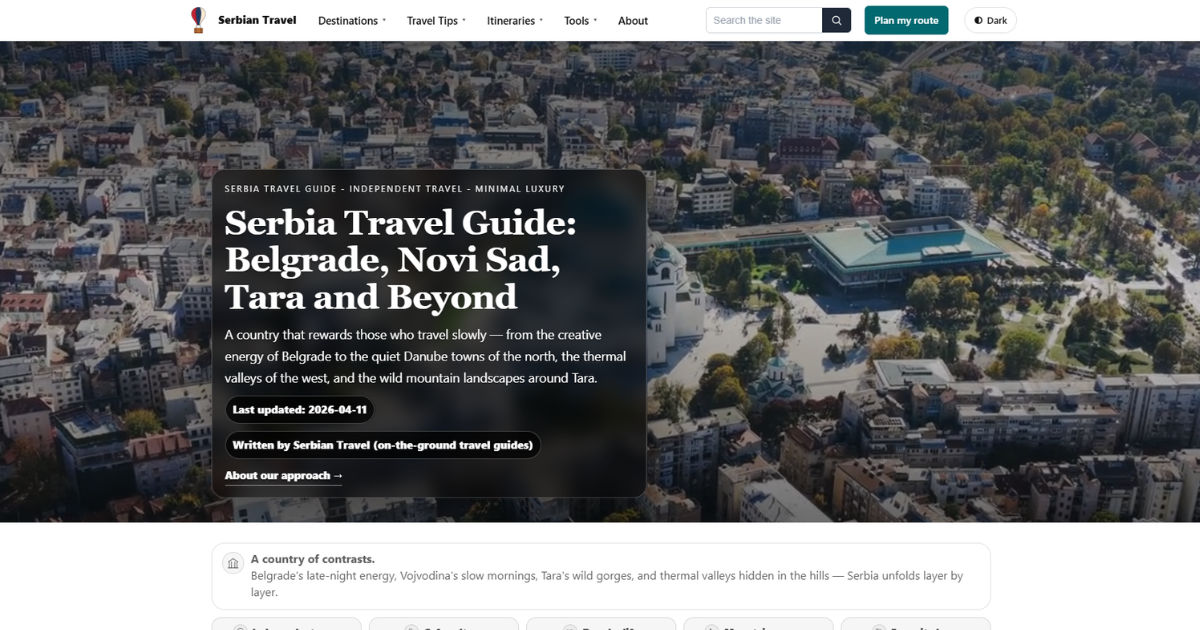
Serbia Tourism Guide in this article will help readers understand how culture, traditions, and everyday life are showcased across the country. This Serbia Tourism Guide explains how visitors experience heritage, food, music, festivals, and local lifestyle in a meaningful way.

A well-designed Serbia Tourism Guide helps travelers see beyond sightseeing and connect deeply with people and traditions. This Serbia Tourism Guide explores how Serbia’s tourism industry preserves identity while welcoming global visitors.


Introduction to Cultural Tourism in Serbia

Serbia is a culturally rich country in Southeast Europe with a long history shaped by Roman, Byzantine, Ottoman, and Austro-Hungarian influences. Serbia is not only known for its landscapes but also for its strong cultural identity.

A good Serbia Tourism Guide shows how tourism is not just about visiting landmarks but also about experiencing local life. This Serbia Tourism Guide highlights how traditions are preserved through food, festivals, music, and daily habits.

Tourism in Serbia is deeply connected with cultural storytelling. Every city, village, and region offers something unique. This Serbia Tourism Guide helps explain how culture becomes the heart of travel experiences.


Historical Heritage as a Cultural Window

Medieval Fortresses and Monasteries

One of the strongest cultural elements in Serbia is its medieval heritage. Fortresses like those in Belgrade and monasteries in rural regions show centuries of history.

A Serbia Tourism Guide often highlights these landmarks as living museums. This Serbia Tourism Guide explains how stone walls, frescoes, and architecture tell stories of past civilizations.

Visitors can see how religion, war, and peace shaped the identity of the region. This Serbia Tourism Guide emphasizes that heritage sites are not just ruins but active cultural symbols.

Ottoman and Austro-Hungarian Influence

Different empires have influenced Serbian architecture and lifestyle. Ottoman-style bazaars and Austro-Hungarian buildings coexist in cities.

A Serbia Tourism Guide shows how this mix creates a unique cultural identity. This Serbia Tourism Guide helps travelers understand how history is still visible in streets, buildings, and traditions.


Traditional Food Culture and Hospitality

Serbian Cuisine as Cultural Expression

Food plays a major role in cultural tourism. Traditional dishes like ćevapi, sarma, and ajvar represent local identity.

A Serbia Tourism Guide explains how meals are prepared using family recipes passed through generations. This Serbia Tourism Guide highlights how food is not just nutrition but a cultural ritual.

Visitors often eat in local taverns called “kafanas,” where hospitality is central. This Serbia Tourism Guide shows how sharing meals builds connections between locals and tourists.

Hospitality and Social Traditions

Serbian hospitality is famous for its warmth. Guests are often welcomed with food, drink, and long conversations.

A Serbia Tourism Guide emphasizes that hospitality is part of cultural pride. This Serbia Tourism Guide helps travelers understand that being invited into a home is a sign of respect.


Music, Dance, and Cultural Expression

Traditional Folk Music

Music is a strong cultural identity marker in Serbia. Folk instruments like the gusle and accordion are widely used.

A Serbia Tourism Guide shows how music is performed at festivals, weddings, and local gatherings. This Serbia Tourism Guide explains how songs often tell historical or emotional stories.

Traditional Dance and Community Events

Folk dances such as kolo are performed in circles, symbolizing unity.

A Serbia Tourism Guide highlights how dance connects communities. This Serbia Tourism Guide shows how tourists can join performances during cultural festivals.


Festivals and Cultural Events

National and Local Festivals

Festivals are one of the best ways Serbia showcases culture. Events like music festivals in Novi Sad and traditional harvest celebrations attract visitors.

A Serbia Tourism Guide explains how festivals blend modern entertainment with traditional culture. This Serbia Tourism Guide highlights how both locals and tourists participate equally.

Religious and Seasonal Celebrations

Orthodox Christian traditions play a major role in cultural events.

A Serbia Tourism Guide shows how holidays like Slava (family saint day) are deeply meaningful. This Serbia Tourism Guide explains how these celebrations strengthen family and community bonds.


Rural Tourism and Village Life

Experiencing Authentic Rural Culture

Rural areas in Serbia offer a slower, more traditional lifestyle. Visitors can stay in villages and experience farming life.

A Serbia Tourism Guide highlights how rural tourism preserves cultural heritage. This Serbia Tourism Guide explains how handmade crafts, farming, and local food are part of daily life.

Traditional Crafts and Handicrafts

Craftsmanship is an important cultural element. Handmade pottery, weaving, and woodwork are still practiced.

A Serbia Tourism Guide shows how these crafts are passed down through generations. This Serbia Tourism Guide helps tourists appreciate the skill and history behind each product.


Urban Culture and Modern Influence

Cultural Life in Cities

Cities like Belgrade combine modern lifestyle with traditional roots. Cafes, galleries, and street art show a creative urban culture.

A Serbia Tourism Guide explains how young people shape modern culture while respecting tradition. This Serbia Tourism Guide highlights how nightlife and art scenes attract global visitors.

Museums and Cultural Institutions

Museums play a major role in preserving history. They showcase artifacts, art, and historical documents.

A Serbia Tourism Guide emphasizes the importance of museums in education. This Serbia Tourism Guide helps visitors understand cultural evolution.


Language and Local Identity

Serbian Language and Communication

Language is an important cultural element. Serbian uses both Cyrillic and Latin alphabets.

A Serbia Tourism Guide explains how language reflects national identity. This Serbia Tourism Guide helps travelers learn basic phrases to connect with locals.

Storytelling and Oral Traditions

Storytelling is a traditional way of preserving history. Elders often share stories about past events and legends.

A Serbia Tourism Guide shows how oral traditions keep culture alive. This Serbia Tourism Guide highlights the importance of listening and learning from locals.


Religious Influence on Culture

Orthodox Christianity and Traditions

Religion plays a central role in Serbian culture. Churches and monasteries are important spiritual and cultural centers.

A Serbia Tourism Guide explains how religion influences holidays and daily life. This Serbia Tourism Guide shows how architecture and rituals reflect faith.

Cultural Respect and Practices

Visitors are encouraged to respect religious customs. Dress codes and behavior in sacred places are important.

A Serbia Tourism Guide teaches cultural sensitivity. This Serbia Tourism Guide ensures travelers have respectful experiences.


Nature and Cultural Connection

Landscapes in Cultural Life

Serbia’s mountains, rivers, and forests are part of cultural identity. Many traditions are connected to nature.

A Serbia Tourism Guide explains how nature influences lifestyle and beliefs. This Serbia Tourism Guide shows how outdoor life shapes local culture.

Eco-Tourism and Sustainability

Eco-tourism is growing in Serbia. It focuses on protecting nature while promoting cultural awareness.

A Serbia Tourism Guide highlights sustainable travel practices. This Serbia Tourism Guide encourages responsible tourism.


How Tourism Preserves Culture

Economic and Cultural Balance

Tourism helps support local communities financially. It also encourages cultural preservation.

A Serbia Tourism Guide explains how tourism creates jobs and protects traditions. This Serbia Tourism Guide shows how culture and economy are connected.

Education Through Travel

Tourism teaches visitors about history and traditions.

A Serbia Tourism Guide helps travelers learn through experience. This Serbia Tourism Guide makes cultural learning more engaging.


Role of Local Communities in Tourism

Community Participation

Local people play a major role in cultural tourism. They host visitors, perform traditions, and guide experiences.

A Serbia Tourism Guide highlights community involvement as essential. This Serbia Tourism Guide shows how tourism depends on local participation.

Cultural Pride and Preservation

Communities take pride in their traditions. They actively preserve music, food, and rituals.

A Serbia Tourism Guide explains how pride strengthens cultural identity. This Serbia Tourism Guide helps ensure traditions continue for future generations.


Challenges in Cultural Tourism

Over-Tourism and Cultural Impact

While tourism is beneficial, it can sometimes pressure local traditions.

A Serbia Tourism Guide discusses the importance of balance. This Serbia Tourism Guide highlights the need for responsible tourism.

Preserving Authenticity

Maintaining authenticity is a key challenge. Commercialization can sometimes affect traditions.

A Serbia Tourism Guide explains how communities work to protect their identity. This Serbia Tourism Guide encourages respectful travel behavior.


Future of Cultural Tourism in Serbia

Innovation and Digital Promotion

Technology is helping promote Serbian culture globally. Digital platforms showcase traditions and destinations.

A Serbia Tourism Guide shows how online media attracts global travelers. This Serbia Tourism Guide supports modern tourism development.

Sustainable Cultural Growth

The future of tourism depends on sustainability. Protecting culture while welcoming visitors is essential.

A Serbia Tourism Guide emphasizes long-term cultural preservation. This Serbia Tourism Guide ensures future generations enjoy Serbia’s heritage.


Conclusion

Serbia’s tourism industry offers a deep and meaningful cultural experience. From historical monuments to traditional food, music, festivals, and rural life, every aspect of travel reflects identity and heritage. A well-designed Serbia Tourism Guide helps travelers understand how culture is preserved and shared. This Serbia Tourism Guide shows that tourism is not just sightseeing but cultural connection.

Through hospitality, community participation, and sustainable practices, Serbia continues to showcase its traditions to the world. This Serbia Tourism Guide demonstrates that cultural tourism is a bridge between the past and the present.

In the end, Serbia stands as a destination where history, nature, and people come together to create unforgettable experiences. A Serbia Tourism Guide ensures that every traveler sees the country not just as a place to visit, but as a culture to experience deeply.