
A urine test is one of the most common and simple medical tests used to check overall health and diagnose different conditions.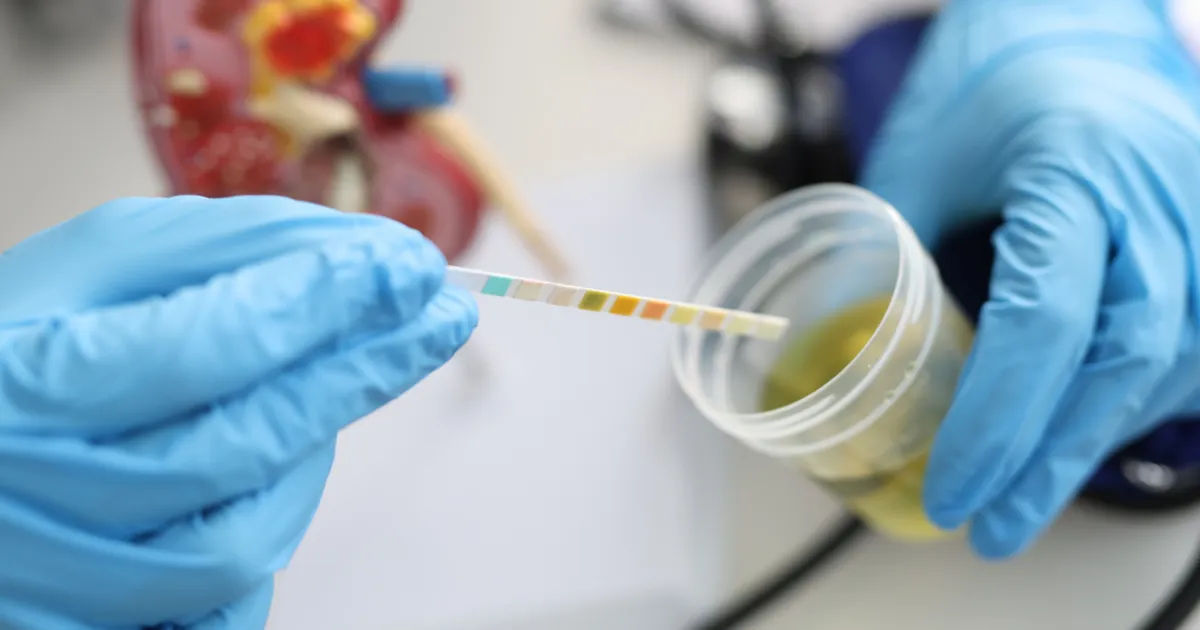
Many people also wonder about other unrelated concerns such as can you freeze urine for a drug test, but in medical practice, urine testing is mainly used to detect infections, kidney problems, and metabolic disorders.
This guide explains in detail whether a urine test can detect infection, how it works, what doctors look for, and what results mean in everyday health situations.
What Is a Urine Test?
A urine test, also called urinalysis, is a laboratory examination of urine. It helps doctors understand what is happening inside the body without needing invasive procedures.
Urine contains waste products filtered by the kidneys. When something is wrong in the body—especially with the urinary tract—these changes often appear in urine first.
Interestingly, discussions like can you freeze urine for a drug test sometimes come up online, but medically, urine testing is focused on diagnosing real health conditions such as infections and kidney disease.
A standard urine test checks for:
- Bacteria
- White blood cells
- Red blood cells
- Protein levels
- Sugar (glucose)
- Chemical balance
Can a Urine Test Detect Infection?
Yes, a urine test can detect infection very effectively, especially urinary tract infections (UTIs). In fact, urinalysis is one of the primary tools doctors use to confirm infection in the urinary system.
When bacteria enter the urinary tract, the body reacts by sending immune cells to fight them. These changes appear in urine and can be detected in a lab.
Some people search for unrelated terms like can you freeze urine for a drug test, but in clinical medicine, the focus is identifying infection early so treatment can begin quickly.
A urine test can detect:
- Bladder infections (cystitis)
- Kidney infections (pyelonephritis)
- Urethral infections (urethritis)
How Infections Appear in Urine
When an infection is present, urine composition changes. These changes are visible under a microscope or chemical testing strip.
White Blood Cells (Leukocytes)
White blood cells increase when the body is fighting infection. Their presence in urine is a strong sign of inflammation.
Nitrites
Some bacteria convert nitrates into nitrites. A positive nitrite test often indicates bacterial infection.
Bacteria
Under microscopic examination, bacteria may be directly visible in urine samples.
Blood in Urine
Infections can irritate the urinary tract lining, causing small amounts of blood to appear.
Protein Levels
Mild protein increase can also occur during infection.
Even though some online discussions mention can you freeze urine for a drug test, in medical diagnostics, these markers are what truly matter for infection detection.
Types of Urine Tests Used for Infection
Doctors may use different types of urine tests depending on symptoms.
1. Dipstick Test
A quick test strip is dipped into urine. It changes color based on chemicals present.
It can detect:
- Nitrites
- Leukocytes
- Blood
- Protein
2. Microscopic Examination
A lab technician examines urine under a microscope to identify:
- Bacteria
- White blood cells
- Crystals
3. Urine Culture
This is the most accurate test for infection. It involves growing bacteria in a lab to identify the exact type causing infection.
This method is often used when infection is severe or recurring.
While some may casually search can you freeze urine for a drug test, urine culture is strictly used for diagnosing bacterial infections, not anything else.
Symptoms That Suggest a Urine Infection
Doctors usually order a urine test when patients show symptoms like:
- Burning during urination
- Frequent urination
- Cloudy urine
- Strong-smelling urine
- Lower abdominal pain
- Fever (in kidney infection cases)
A urine test helps confirm whether these symptoms are caused by infection or another condition.
Even if someone is curious about topics like can you freeze urine for a drug test, symptoms like these are what truly guide medical testing decisions.
How Accurate Is a Urine Test for Infection?
Urine tests are generally very accurate, especially when combined with culture testing.
Accuracy Factors:
- Proper sample collection
- Timing of infection
- Hydration level
- Lab quality
A single test may sometimes give unclear results, so doctors may repeat it if needed.
The phrase can you freeze urine for a drug test has nothing to do with diagnostic accuracy, but it is sometimes searched alongside urine testing topics online.
False Positives and False Negatives
Like all medical tests, urine tests are not perfect.
False Positive
This means the test shows infection when there is none. It can happen due to:
- Contaminated samples
- Certain medications
- Improper collection
False Negative
This means infection exists but is not detected. Causes include:
- Early infection stage
- Diluted urine
- Low bacteria levels
Doctors may request a repeat test or urine culture to confirm results.
Even when people mistakenly focus on can you freeze urine for a drug test, real medical concern lies in ensuring accurate infection detection.
How to Prepare for a Urine Test
Preparation is usually simple:
- Drink normal amounts of water
- Avoid excessive fluids right before the test
- Clean genital area before sample collection
- Use midstream urine sample technique
A midstream sample reduces contamination risk and improves accuracy.
Some unrelated online discussions include can you freeze urine for a drug test, but proper preparation ensures reliable medical results instead.
Why Doctors Order Urine Tests
Doctors may request a urine test for several reasons:
Diagnosis of Symptoms
To find the cause of pain, burning, or discomfort.
Routine Health Check
To monitor general kidney and metabolic health.
Pregnancy Monitoring
To detect infections or complications.
Chronic Conditions
Such as diabetes or kidney disease.
In all these cases, urine testing is focused purely on health—not topics like can you freeze urine for a drug test, which are unrelated to medical diagnosis.
Urine Test in Different Age Groups
Children
Children often need urine tests for fever or unexplained crying due to infection.
Adults
Adults are tested for UTIs, kidney issues, and general health screening.
Elderly
Older adults are more prone to infections, so urine tests are commonly used for monitoring.
Regardless of age, the purpose is always to detect infection early and accurately.
Even when unrelated questions like can you freeze urine for a drug test appear in online searches, medical testing remains focused on infection detection.
How Long Does a Urine Test Take?
Results depend on the type of test:
- Dipstick test: minutes
- Microscopy: a few hours
- Culture test: 1–3 days
Culture tests take longer because bacteria must grow before identification.
Treatment After Infection Detection
If a urine test confirms infection, treatment usually includes:
- Antibiotics
- Increased fluid intake
- Pain relief medications
- Follow-up testing if needed
Early detection through urine testing helps prevent complications like kidney infection.
Even though terms like can you freeze urine for a drug test may circulate online, real medical care focuses on timely treatment of infections.
Prevention of Urinary Infections
Preventing infection is just as important as detecting it.
Hygiene Practices
- Proper wiping technique
- Regular bathing
- Clean underwear
Hydration
- Drinking enough water helps flush bacteria
Urination Habits
- Do not hold urine for long periods
- Urinate after intercourse
These steps reduce infection risk significantly.
When to See a Doctor
You should seek medical help if you experience:
- Persistent burning during urination
- Fever with urinary symptoms
- Blood in urine
- Lower back pain
A urine test will help confirm whether infection is present.
Even though internet searches may include phrases like can you freeze urine for a drug test, medical attention should always focus on real symptoms and diagnosis.
Conclusion
A urine test is a powerful, simple, and reliable tool for detecting infections in the urinary tract. It helps doctors identify bacteria, white blood cells, and other indicators of disease quickly and accurately. From mild bladder infections to more serious kidney infections, urinalysis plays a key role in early diagnosis and treatment.
By understanding how urine testing works, patients can better interpret their results and seek timely medical care when needed. While unrelated queries such as can you freeze urine for a drug test appear online, the true purpose of urine testing remains centered on health, infection detection, and medical diagnosis.
Overall, urine tests remain one of the most essential diagnostic tools in modern medicine, providing fast insights into conditions that would otherwise go unnoticed.