Hangovers are a common result of overindulging in alcohol. They bring with them a collection of unpleasant symptoms, including headaches, fatigue, dehydration, and nausea.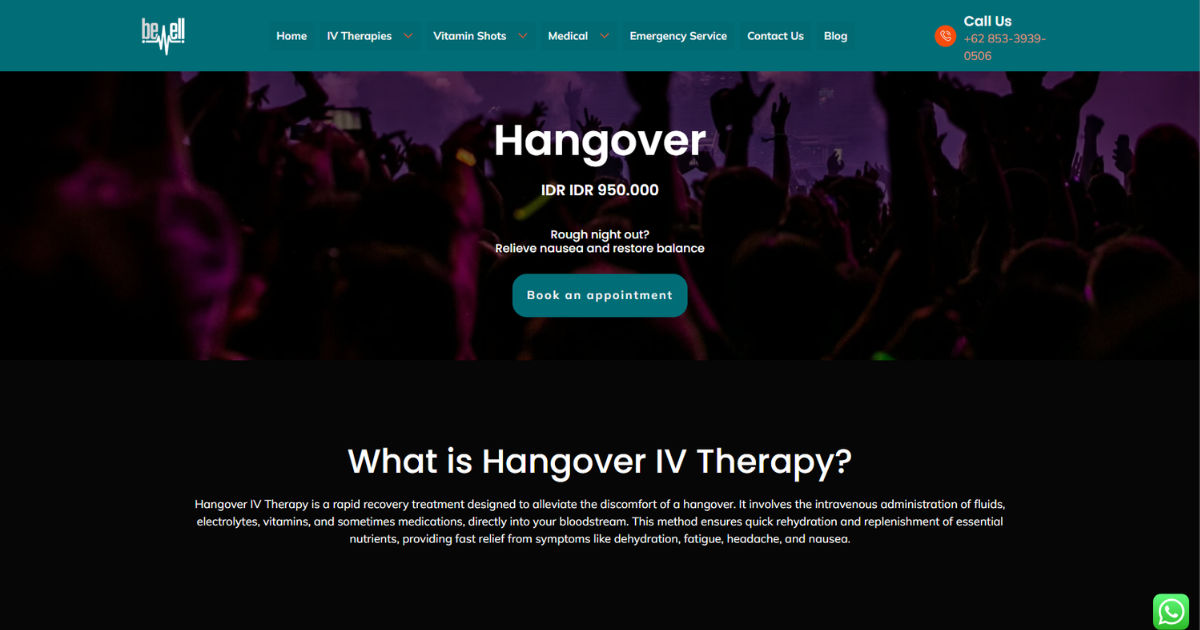
Nausea, in particular, can be extremely disruptive, making it difficult to carry out daily activities or even eat properly. In recent years, hangover IV therapy has gained popularity as a fast and effective solution for alleviating these symptoms.
Hangover IV therapy involves administering fluids, vitamins, and electrolytes directly into the bloodstream through an intravenous (IV) drip. This method bypasses the digestive system, allowing the body to absorb nutrients quickly and efficiently.
Many people wonder whether hangover IV therapy can stop nausea quickly, and the answer lies in understanding how the treatment works and what it contains.
How Hangover IV Therapy Works
Hangover IV therapy works by addressing the root causes of hangover symptoms. When you drink alcohol, it can dehydrate your body, deplete essential vitamins, and create an imbalance in electrolytes. These factors contribute to nausea, fatigue, and overall discomfort.
An IV drip delivers fluids and nutrients straight into your bloodstream, which can help to:
- Rehydrate the body quickly
- Replenish essential vitamins and minerals
- Restore electrolyte balance
- Support liver detoxification
By tackling these underlying issues, hangover IV therapy often provides relief from nausea much faster than oral treatments like water, sports drinks, or over-the-counter remedies.
Key Ingredients in Hangover IV Therapy
Hangover IV therapy is not just about water. A well-designed IV drip includes a combination of fluids, electrolytes, vitamins, and sometimes medications that target specific hangover symptoms. Here are the main components:
- Saline Solution: Rehydrates the body and restores fluid balance.
- Electrolytes: Sodium, potassium, and magnesium help correct imbalances that contribute to nausea and fatigue.
- Vitamin B Complex: Alcohol consumption can deplete B vitamins, which are essential for energy production and nervous system function.
- Vitamin C: Supports liver function and reduces oxidative stress caused by alcohol metabolism.
- Anti-nausea medications (optional): Some clinics add medications like ondansetron to the IV drip to specifically target nausea.
The combination of these ingredients can make hangover IV therapy highly effective in reducing nausea quickly.
How Fast Can Hangover IV Therapy Stop Nausea?
One of the main reasons people seek hangover IV therapy is the promise of rapid relief from nausea. Many patients report feeling significantly better within 30 to 60 minutes after treatment. The speed of relief is largely due to the intravenous delivery system, which bypasses the slower process of digestion and directly replenishes what the body has lost.
However, it’s important to note that the effectiveness can vary depending on several factors:
- Severity of the hangover: The worse the dehydration and nutrient depletion, the longer it may take to feel relief.
- Individual metabolism: People process alcohol differently, which can affect how quickly symptoms improve.
- Contents of the IV therapy: Not all hangover IV drips are created equal; those with added anti-nausea medications tend to work faster.
Even though hangover IV therapy is fast-acting, it’s not an instant cure. Nausea may improve gradually as hydration and nutrient levels are restored.
Benefits of Hangover IV Therapy
The primary benefit of hangover IV therapy is quick relief, especially from nausea. But the treatment offers several additional advantages:
- Rapid rehydration: Helps combat dizziness and fatigue caused by dehydration.
- Nutrient replenishment: Restores vitamins and minerals lost during alcohol metabolism.
- Energy boost: Many people feel more alert and capable of resuming daily activities.
- Reduced headache severity: Hydration and electrolyte balance can help ease alcohol-induced headaches.
Because of these benefits, hangover IV therapy is becoming increasingly popular among professionals, travelers, and party-goers who need to recover quickly.
Are There Any Risks?
While hangover IV therapy is generally safe, there are potential risks to consider. Most complications are minor and include:
- Bruising or discomfort at the injection site
- Mild dizziness during or after the treatment
- Rarely, infection if the IV line is not properly sterilized
People with certain medical conditions, such as kidney or heart problems, should consult a doctor before opting for IV therapy. Additionally, hangover IV therapy is not a substitute for responsible alcohol consumption or medical treatment for severe alcohol-related conditions.
Who Can Benefit Most from Hangover IV Therapy?
Hangover IV therapy is most effective for individuals who experience:
- Severe nausea and vomiting
- Extreme dehydration
- Fatigue that prevents daily functioning
- Headaches and muscle weakness
It can be especially beneficial for people who have social or professional obligations the day after drinking and need fast relief.
How to Prepare for Hangover IV Therapy
Preparation for hangover IV therapy is relatively simple. Here are some tips:
- Hydrate beforehand: Drinking some water before treatment can enhance its effectiveness.
- Eat lightly: Consuming a small meal can help stabilize blood sugar and reduce nausea during treatment.
- Avoid excessive alcohol: IV therapy is meant to treat hangover symptoms, not heavy intoxication.
- Inform the clinician of any medications: Certain drugs may interact with the vitamins or anti-nausea medications used in the IV drip.
Being well-prepared can improve your experience and help you achieve faster relief from nausea.
What to Expect During Treatment
Hangover IV therapy is usually administered in a clinic or wellness center. The process is straightforward:
- A clinician inserts an IV line into a vein, usually in the arm.
- The chosen solution, containing fluids, electrolytes, vitamins, and sometimes medications, is delivered over 30 to 60 minutes.
- Patients can relax during treatment, often reading, listening to music, or resting.
- After completion, many people feel immediate improvement in hydration, energy, and nausea.
It’s a comfortable procedure, and the effects are noticeable much faster than oral remedies.
Comparing Hangover IV Therapy to Traditional Remedies
Traditional hangover remedies include water, sports drinks, over-the-counter painkillers, and rest. While these methods can help, they often take longer to relieve nausea.
- Water: Hydrates but does not replenish electrolytes or vitamins.
- Sports drinks: Provide electrolytes but may lack sufficient vitamins and amino acids.
- Over-the-counter anti-nausea medicine: Can help but often works slower because it must be absorbed through the digestive system.
Hangover IV therapy, on the other hand, delivers a combination of hydration, vitamins, and sometimes anti-nausea medication directly into the bloodstream, allowing for faster and more comprehensive symptom relief.
Debunking Common Myths
Several myths surround hangover IV therapy, and understanding them can help manage expectations:
- Myth 1: IV therapy can prevent a hangover if taken after drinking.
In reality, IV therapy is a treatment, not a preventive measure. Drinking responsibly is still the most effective way to avoid a hangover.
- Myth 2: Hangover IV therapy cures alcohol poisoning.
IV therapy is not a substitute for medical treatment in cases of alcohol poisoning. Immediate emergency care is essential in those situations.
- Myth 3: IV therapy works instantly for everyone.
While relief is often quick, individual responses vary. Nausea may improve gradually depending on severity and metabolism.
Cost and Accessibility
The cost of hangover IV therapy varies depending on location, clinic, and the specific formula used. Prices typically range from $100 to $300 per session. Some clinics offer mobile IV services, allowing treatment at home, which can be convenient for individuals who are unable to travel.
It’s important to choose reputable providers with trained medical staff to ensure safety and effectiveness.
Alternative Treatments for Nausea
While hangover IV therapy is highly effective, other treatments can also help alleviate nausea:
- Ginger or peppermint tea: Natural remedies that soothe the stomach.
- Electrolyte tablets or drinks: Can help rehydrate and balance electrolytes.
- Rest and light meals: Helps the body recover gradually.
- Over-the-counter anti-nausea medications: Useful if IV therapy is not accessible.
These alternatives may work slower than IV therapy but can still provide relief for milder hangovers.
The Science Behind Nausea Relief
Nausea during a hangover is caused by several factors:
- Dehydration: Low fluid levels affect blood pressure and digestive function.
- Toxin buildup: Alcohol metabolizes into acetaldehyde, which irritates the stomach and liver.
- Electrolyte imbalance: Sodium, potassium, and magnesium depletion can affect muscle and nerve function.
- Vitamin deficiencies: Lack of B vitamins reduces energy production and affects brain function.
Hangover IV therapy addresses each of these factors simultaneously, which is why it can stop nausea more quickly than individual remedies.
Tips for Maintaining Hydration After IV Therapy
Even after receiving hangover IV therapy, it’s important to continue hydrating:
- Drink water throughout the day.
- Eat fruits and vegetables high in water content, such as watermelon and cucumber.
- Avoid excessive caffeine or alcohol, which can worsen dehydration.
- Continue a balanced diet to restore lost nutrients fully.
Proper post-therapy care helps extend the benefits and reduces the chance of recurrent nausea.
Long-Term Considerations
While hangover IV therapy is effective, relying on it frequently may not be advisable. Regularly consuming alcohol in amounts that require IV treatment can strain the liver and kidneys. Moderation and responsible drinking remain essential for overall health.
Using hangover IV therapy occasionally as a recovery tool is safe, but it should complement a healthy lifestyle rather than replace it.
Conclusion
Hangover IV therapy offers a rapid and effective solution for those suffering from nausea and other hangover symptoms. By delivering hydration, vitamins, and electrolytes directly into the bloodstream, this therapy can significantly reduce nausea, often within 30 to 60 minutes. While it is not a miracle cure or a substitute for responsible drinking, hangover IV therapy is a valuable tool for fast recovery, especially for those with professional or social obligations.
Patients considering hangover IV therapy should ensure they choose a licensed provider, understand the ingredients used, and continue proper hydration afterward. When used responsibly, this treatment can help people bounce back from hangovers efficiently, leaving nausea and fatigue behind.
Ultimately, hangover IV therapy represents a modern, science-backed approach to dealing with the unpleasant aftereffects of alcohol, offering quick relief and a safe recovery pathway.