
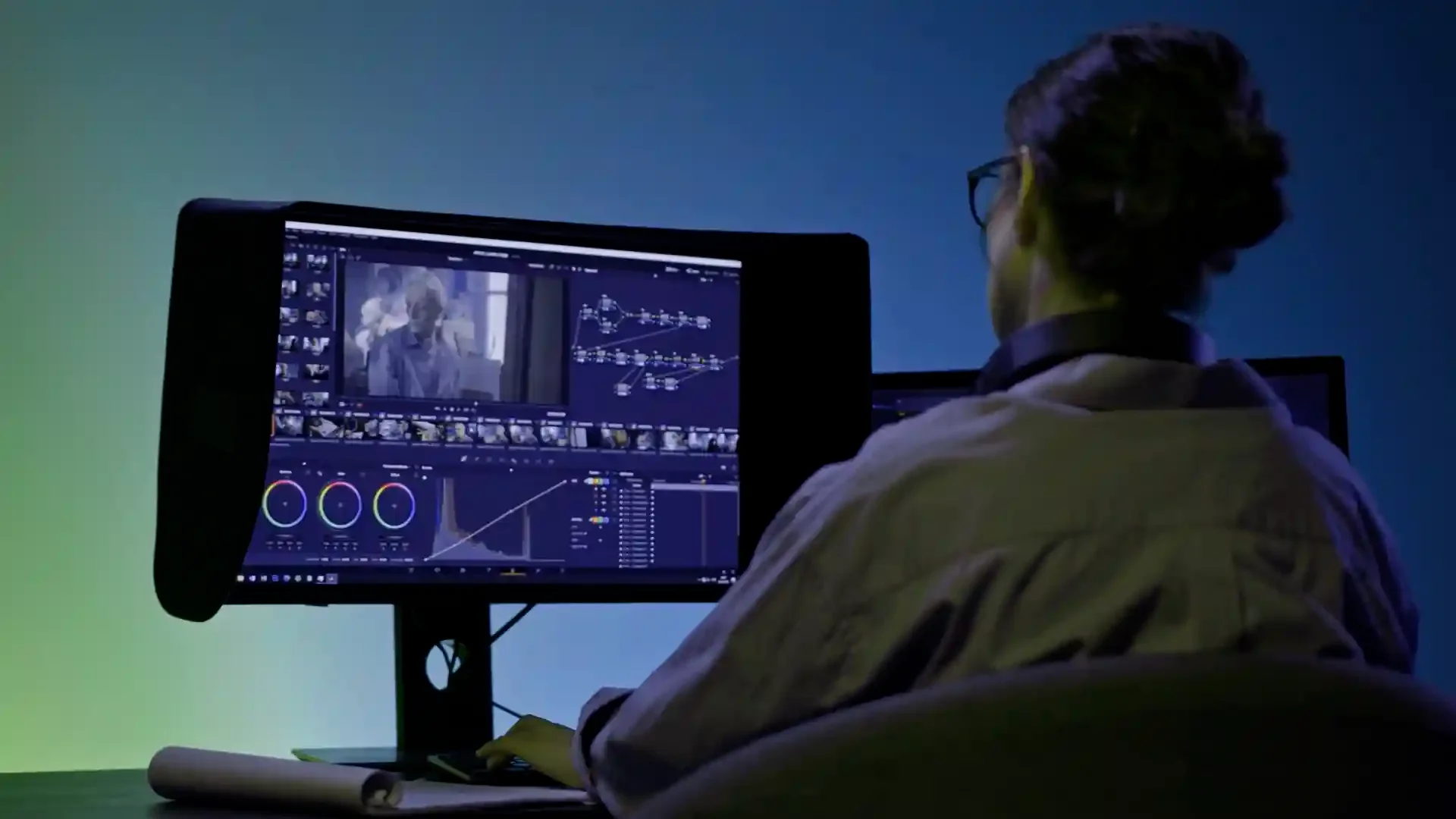
Understanding AI Video Editing
AI video editing is transforming the way content creators approach video production. Unlike traditional video editing, which requires manual intervention at every step, AI video editing leverages intelligent algorithms to automate tasks, streamline workflows, and enhance the overall quality of videos. This technology can perform tasks such as cutting and trimming clips, color correction, sound enhancement, adding transitions, and even suggesting creative edits. By using AI video editing, creators save valuable time and can focus more on the creative aspects of video production rather than technical details. The integration of AI in video editing also ensures consistency and accuracy across multiple projects, helping maintain a professional standard in every piece of content produced.
The Role of Script and Content Services
While AI video editing handles the technical aspects, script and content services are essential for shaping the narrative and ensuring that videos convey the intended message effectively. Script and content services focus on creating compelling storylines, clear messaging, and engaging dialogue or narration. They provide the foundation for videos, ensuring that the content resonates with the target audience. A strong script can transform raw footage into a cohesive story, making viewers more likely to stay engaged and absorb the intended information. Moreover, script and content services guide the visual and audio elements, aligning them with the central message, which allows AI video editing to implement changes more effectively.
The Benefits of Combining AI Video Editing with Script and Content Services
When AI video editing is combined with script and content services, the results are more polished, engaging, and professional. The process begins with a well-structured script that outlines the story, key messages, and visual elements. AI video editing then takes this script as a guideline to automatically implement cuts, transitions, and effects that match the content flow. This synergy allows content creators to produce high-quality videos faster, while still maintaining the integrity and impact of the message.
This combination also allows for flexibility and experimentation. For instance, AI video editing can quickly test different versions of scenes or sequences suggested by the script team, enabling creators to select the most effective approach. Script and content services ensure that every visual and audio element aligns with the story, while AI video editing enhances the aesthetics and technical quality. This collaboration results in videos that are both visually appealing and meaningful, offering a complete experience for viewers.
Enhancing Storytelling with AI Video Editing
Storytelling is at the heart of engaging video content. AI video editing supports storytelling by providing automated tools to emphasize key moments, highlight important dialogue, and maintain a smooth pacing throughout the video. Editors can use AI to insert effects, text overlays, or transitions that enhance the narrative without disrupting the flow. When combined with script and content services, these features ensure that the story unfolds naturally and captivates the audience from beginning to end.
By using AI video editing alongside a well-prepared script, creators can focus on refining the emotional and visual impact of each scene. This approach allows for the creation of videos that are not only technically precise but also emotionally engaging, giving viewers a memorable experience. The collaboration between AI video editing and script services ensures that every frame serves a purpose and contributes to the overall message.
Streamlining Workflow and Saving Time
One of the significant advantages of integrating AI video editing with script and content services is workflow efficiency. Traditionally, video editing is a time-consuming process involving multiple revisions and adjustments. AI video editing automates many repetitive tasks, while the script and content team provides clear guidance on what needs to be emphasized or highlighted. This streamlined workflow reduces the need for constant manual intervention, allowing creators to focus on refining content quality and creativity.
Automation also makes it easier to produce multiple versions of a video tailored for different platforms or audiences. Script and content services can create variations of the content, and AI video editing can quickly implement these variations without starting from scratch. This combination saves considerable time, reduces errors, and ensures consistent quality across all videos.
Practical Tips for Maximizing Results
To get the most out of AI video editing and script and content services, it is important to maintain clear communication and planning. Start by developing a detailed script that outlines the objectives, key points, and desired visual and audio elements. Share this script with the AI video editing platform, which can then apply automated edits based on the outlined structure. Regular reviews and adjustments ensure that the final video meets both creative and technical standards.
Additionally, integrating feedback loops between the script team and the AI editor can help refine the final output. As the AI processes the content, the script team can provide notes on timing, emphasis, or pacing adjustments, allowing for continuous improvement. This collaboration ensures that the video remains true to its narrative while benefiting from the efficiency and precision of AI editing.
Conclusion
Combining AI video editing with script and content services creates a powerful workflow for producing high-quality video content. AI video editing handles the technical and aesthetic aspects, while script and content services ensure that the story is engaging, coherent, and impactful. This integration streamlines the production process, saves time, and enhances overall video quality. By leveraging both tools effectively, content creators can produce videos that captivate audiences, deliver clear messages, and achieve their communication goals with greater efficiency.
This approach demonstrates that the future of video production lies in the synergy between advanced technology and strong content planning, offering creators the best of both worlds.