
Author: Millermarker

The Ultimate Guide to Diamonds: Everything You Need to KnowThe Ultimate Guide to Diamonds: Everything You Need to Know

Diamonds are one of the most valuable and sought-after gemstones in the world. Known for their brilliance, hardness, and timeless beauty, diamonds have been symbols of love, luxury, and wealth for centuries. Whether you are buying a diamond for an engagement ring, investment, or personal collection, understanding the essential factors about diamonds is crucial.

The Formation and Composition of Diamonds

Diamonds are formed deep within the Earth's mantle under extreme heat and pressure. Composed entirely of carbon atoms, diamonds have a unique crystal structure that makes them the hardest known natural material. These gemstones take millions to billions of years to form, making them one of the rarest and most precious natural wonders.

The Four Cs of Diamonds

When purchasing a diamond, experts evaluate it based on the Four Cs: Carat, Cut, Color, and Clarity.

1. Carat: Measuring a Diamond's Weight

The carat weight of a diamond refers to its size and mass. One carat is equal to 0.2 grams. Larger diamonds are more valuable due to their rarity, but two diamonds of the same carat weight can have vastly different values depending on their cut, color, and clarity.

2. Cut: The Key to Sparkle and Brilliance

The cut of a diamond determines how well it reflects light. A well-cut diamond will appear more brilliant and fiery, enhancing its overall appeal. The most popular diamond cuts include:

  • Round Brilliant – The most popular and sparkly cut.

  • Princess Cut – A square cut with sharp edges.

  • Cushion Cut – A vintage-inspired cut with rounded corners.

  • Emerald Cut – A rectangular cut with step-like facets.

  • Oval, Marquise, and Pear Cuts – Unique cuts that elongate the finger.

3. Color: Evaluating a Diamond's Hue

Diamonds are graded on a color scale from D (colorless) to Z (light yellow or brown). The closer a diamond is to being colorless, the higher its value. Fancy-colored diamonds, such as blue, pink, and yellow diamonds, are highly valuable due to their rarity.

4. Clarity: Assessing Internal and External Flaws

Clarity refers to the imperfections (inclusions) and blemishes in a diamond. The clarity grading scale ranges from Flawless (FL) to Included (I3). The fewer the inclusions, the more valuable the diamond.

Types of diamond tester kit s

There are different types of diamonds available in the market, each with its unique properties and appeal:

1. Natural Diamonds

These are diamonds formed naturally within the Earth over millions of years. They are the most valuable and sought-after diamonds due to their rarity and authenticity.

2. Lab-Grown Diamonds

Lab-created diamonds have the same chemical and physical properties as natural diamonds but are grown in a controlled laboratory environment. They are more affordable and environmentally friendly than mined diamonds.

3. Treated Diamonds

Some diamonds undergo treatments to enhance their appearance, such as laser drilling to remove inclusions or high-temperature treatments to improve color.

4. Fancy Color Diamonds

Rare colored diamonds, such as blue, pink, and green diamonds, are prized for their unique hues and are often more valuable than traditional white diamonds.

How to Buy the Perfect Diamond

Buying a diamond requires careful consideration of various factors. Here are key tips to help you make an informed purchase:

  1. Set a Budget – Determine how much you’re willing to spend and prioritize the Four Cs accordingly.

  2. Choose the Right Cut – The cut has the most impact on the diamond’s sparkle and brilliance.

  3. Opt for a Certified Diamond – Always buy diamonds that come with certification from GIA (Gemological Institute of America) or AGS (American Gem Society).

  4. Compare Prices – Research different jewelers and online stores to find the best deal.

  5. Understand Diamond Settings – The type of ring setting can enhance the beauty of a diamond. Popular settings include prong, bezel, halo, and pave settings.

Investing in Diamonds

Diamonds can be a solid investment due to their rarity and lasting value. However, before investing, consider:

  • Market Trends – Understand the demand and pricing trends in the diamond industry.

  • Certified and High-Quality Diamonds – Only invest in diamonds with high clarity, cut, and certification.

  • Storage and Insurance – Protect your investment by ensuring proper storage and insurance coverage.

Famous Diamonds in History

Throughout history, several diamonds have gained worldwide recognition for their size, beauty, and mysterious origins. Some of the most famous diamonds include:

  • The Hope Diamond – A rare blue diamond with a history of legends and curses.

  • The Cullinan Diamond – The largest rough diamond ever discovered, cut into multiple pieces for British crown jewels.

  • The Koh-i-Noor Diamond – A legendary diamond with a controversial history, now part of the British Crown Jewels.

  • The Pink Star Diamond – One of the most expensive pink diamonds ever sold at auction.

Caring for Your Diamond

To maintain a diamond’s beauty and brilliance, proper care is essential:

  • Regular Cleaning – Use a gentle cleaning solution or have it professionally cleaned.

  • Safe Storage – Store diamonds separately to avoid scratches.

  • Avoid Harsh Chemicals – Remove diamond jewelry when using strong detergents or chemicals.

  • Routine Inspections – Have your diamond jewelry checked by a professional jeweler to ensure prongs and settings remain secure.

Conclusion

Diamonds are more than just stunning gemstones; they are symbols of elegance, love, and wealth. Whether purchasing a diamond for an engagement ring, investment, or collection, understanding the Four Cs, different types of diamonds, and proper care techniques is essential. By making an informed decision, you can ensure you acquire a diamond that holds both beauty and value for a lifetime.

The Art of Jersey Design: Combining Functionality and AestheticsThe Art of Jersey Design: Combining Functionality and Aesthetics

Jersey design is an essential element in the world of sports, fashion, and branding. Whether it’s a professional team kit, a recreational sports jersey, or a stylish streetwear piece, the design plays a crucial role in defining identity, enhancing performance, and fostering a sense of community. A well-designed jersey not only represents a team, brand, or cause but also balances comfort, durability, and functionality for the wearer.

The Importance of Jersey Design

  1. Team Identity and Branding One of the primary functions of jersey design is to symbolize a team's identity. Colors, logos, and patterns are integral to showcasing the team’s values, heritage, and culture. Think about iconic teams like Barcelona or the New York Yankees. Their jerseys carry deep historical significance, reflecting not just the team’s brand but the city or community it represents.

    For businesses and organizations, jerseys also play a role in brand visibility and recognition. For example, jerseys worn by athletes during events often become a powerful tool for global marketing. Brands like Nike, Adidas, and Puma strategically design jerseys to be both high-performance and highly marketable.

  2. Performance and Comfort Functionality is at the heart of jersey design, especially for athletes. A well-designed jersey must enhance the performance of the wearer, ensuring comfort during intense physical activity. This involves choosing the right materials, ensuring flexibility, breathability, and moisture-wicking properties. Today’s jerseys use advanced fabrics like polyester blends, mesh, and even performance textiles like spandex or Lycra to optimize movement and temperature regulation.

    Additionally, features like ergonomic stitching, ventilation zones, and body-mapping designs ensure that athletes can perform at their peak without being hindered by their gear.

  3. Cultural Significance Beyond function, jerseys hold deep cultural significance. For sports fans, wearing a jersey is a way of showing loyalty and pride for a team. In some cultures, jerseys are not just garments; they become emblems of local or national identity. The pride of a city or country is often encapsulated in the design of the jersey, with national flags, local symbols, and culturally significant designs being incorporated.

    Special-edition jerseys also reflect celebrations, anniversaries, or awareness campaigns, such as those designed for Pride Month, Breast Cancer Awareness, or commemorating a historic achievement.

Key Elements in Jersey Design

  1. Color Palette The choice of colors in a jersey design is crucial. Colors can convey a team's personality, evoke emotion, and make a bold statement. Red often symbolizes power and passion, while blue can represent trust and stability. Yellow and gold might symbolize optimism and prestige. Each color has its cultural meaning, making it an essential part of the design process.

  2. Logos and Text Logos are the cornerstone of jersey design. Whether it’s the team logo, sponsor logos, or personal branding, they need to be prominent yet not overwhelming. Typography used for player names and numbers also requires careful consideration—fonts need to be legible and aesthetically aligned with the jersey’s overall design.

  3. Patterns and Graphics Beyond colors and logos, the design often includes intricate patterns or graphics that add to the overall appeal. These could be geometric shapes, stripes, gradients, or custom designs that represent a team's history or location. For example, the "lightning bolt" pattern on a soccer jersey can evoke speed and dynamism, while traditional checkered patterns can symbolize a team’s regional roots.

  4. Fit and Cut Modern jersey designs also pay attention to fit and cut. In sports like soccer, cycling, or rugby, jerseys need to be snug enough to avoid distraction but still allow free movement. For casual wear, the fit might lean more towards streetwear aesthetics, with looser cuts and more relaxed designs. A jersey’s shape affects both its performance and how it’s perceived in the fashion world.

  5. Material Innovation With advancements in fabric technology, jersey designs are now optimized for both performance and comfort. For example, modern materials like moisture-wicking fabrics, mesh panels, and lightweight synthetics help keep athletes cool and dry during games. These materials allow for ventilation and breathability, critical for high-endurance sports.

Trends in Modern Jersey Design

  1. Sustainability As environmental consciousness continues to grow, many jersey designers are turning to sustainable materials. Recycled polyester and organic cotton are becoming more popular, as manufacturers aim to reduce the environmental footprint of the fashion and sportswear industries.

  2. Retro and Nostalgia Another rising trend in jersey design is the nostalgic, retro look. Many teams and brands are revisiting old designs and revamping them for a modern audience. Vintage logos, old-school patterns, and classic color schemes are making a strong comeback in both sports and casual fashion.

  3. Customization With the rise of personal branding, customization has become a huge trend in jersey design. Fans can now personalize their jerseys with their names or choose custom colors and styles, which offers a more personal connection to the team or brand.

  4. Tech-Infused Designs Beyond fabrics, technology is also being integrated into jersey design. Smart fabrics, which adjust to temperature, provide muscle support, and track physical performance, are becoming more common in jerseys. Additionally, augmented reality (AR) and interactive elements are being explored to enhance fan engagement and experience.

Challenges in Jersey Design

While the opportunities for jersey design are vast, there are also several challenges that designers face. One of the key obstacles is balancing aesthetics with performance. While a design may look visually striking, it must not sacrifice the wearer’s comfort or functionality. Additionally, creating designs that appeal to both athletes and fans can be a delicate balance. Fan loyalty and brand recognition also mean that jerseys must maintain a balance between tradition and innovation.

Conclusion

Jersey design has come a long way from being simple uniforms to becoming an expression of identity, culture, and performance. Whether you’re an athlete, a fan, or simply someone who appreciates good design, jerseys offer a fascinating blend of art, sport, and storytelling. As technology and fashion continue to evolve, 球衣印字 will undoubtedly keep pushing boundaries—creating designs that inspire, empower, and unite communities.

Mastering Sundries Storage: Smart Solutions for a Clutter-Free SpaceMastering Sundries Storage: Smart Solutions for a Clutter-Free Space

Efficient sundries storage is crucial for keeping homes, offices, and warehouses organized. Cluttered spaces not only create stress but also reduce productivity. With the right storage techniques, you can maximize space, enhance accessibility, and protect your belongings. This guide provides expert tips, storage hacks, and innovative organization strategies to help you create a seamless and clutter-free environment.

1. Why Effective 收納 Matters

A well-organized storage system offers numerous advantages, including:

Optimizing available space

Improving efficiency and accessibility

Preventing damage to stored items

Reducing stress and clutter

By incorporating smart storage solutions, you can maintain a structured and functional space, making daily life more convenient.

2. Categorizing Sundries for Better Organization

To enhance storage efficiency, categorize sundries based on their usage, size, and storage requirements.

A. Daily Essentials

  • Keep frequently used items in accessible locations such as open shelves or labeled drawers.
  • Use clear containers for quick identification.
  • Store office supplies in desktop organizers for easy retrieval.

B. Seasonal and Seldom-Used Items

  • Use vacuum-sealed bags for clothing, bedding, or holiday decorations.
  • Store seasonal items in labeled bins and place them in under-bed storage or closets.
  • Arrange storage in a hierarchical manner—frequently used items at the front and less-used ones at the back.

C. Fragile and High-Value Items

  • Wrap delicate items in bubble wrap or soft padding to prevent breakage.
  • Store valuables in sturdy containers with secure lids.
  • Consider using a climate-controlled storage unit for sensitive materials.

3. Best Storage Solutions for Maximizing Space

The key to effective sundries storage is using space-saving techniques and innovative storage solutions.

A. Transparent Storage Containers

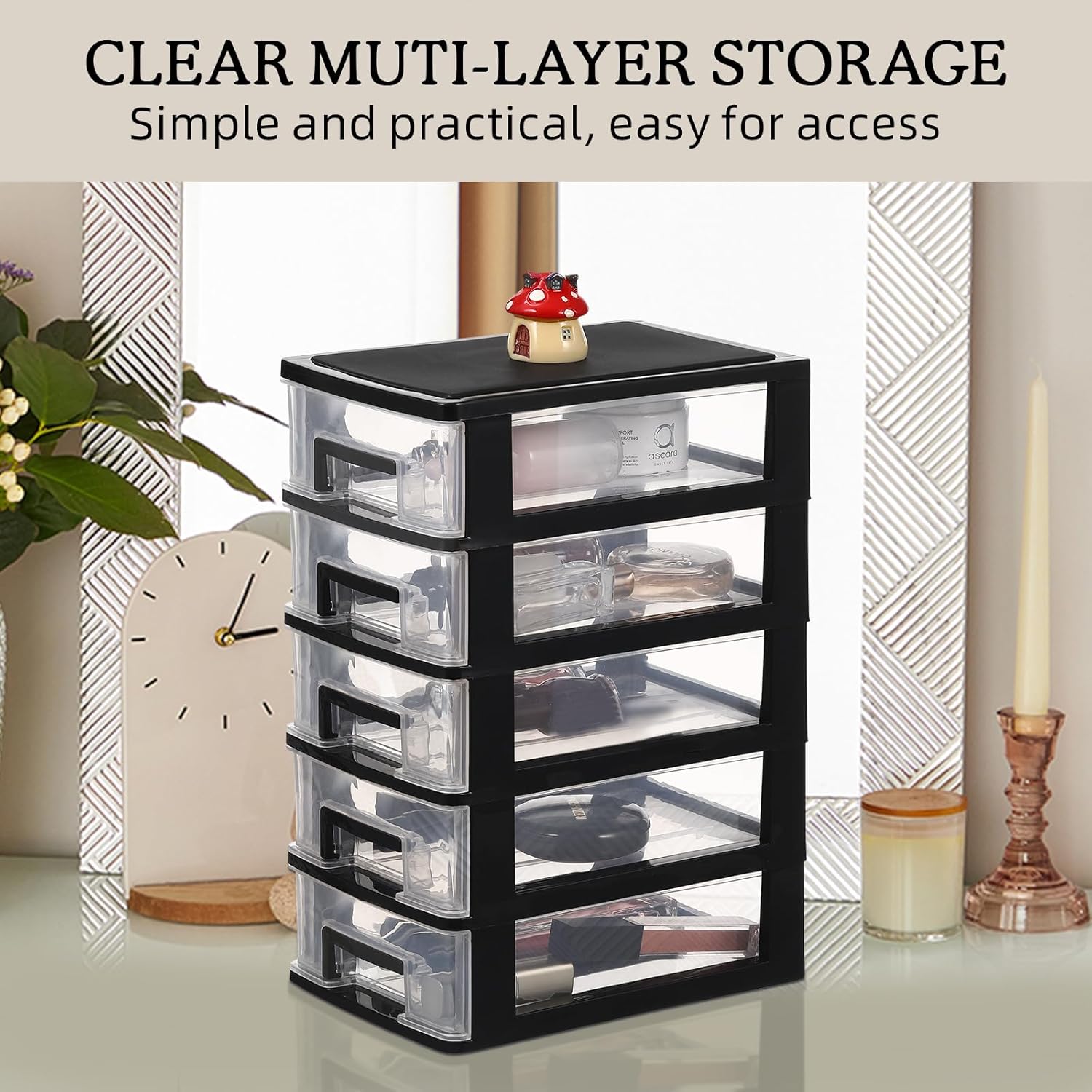
Using clear plastic bins allows you to see stored items at a glance, eliminating the need to open multiple boxes.

B. Adjustable Shelving Units

Install adjustable shelving to accommodate items of different sizes and maximize vertical space.

C. Drawer Dividers and Small Organizers

For storing small items such as jewelry, office supplies, or kitchen utensils, use modular drawer organizers to prevent clutter.

D. Wall-Mounted Racks and Hooks

Utilizing wall-mounted storage frees up valuable floor space and keeps items easily accessible. Great for garages, offices, and small apartments.

E. Under-Bed and Over-the-Door Storage

  • Store shoes, blankets, or off-season clothing in under-bed storage boxes.
  • Hang accessories, toiletries, or cleaning supplies in over-the-door organizers to make use of vertical space.

4. Decluttering: The Foundation of an Efficient Storage System

Regular decluttering is essential to keep your storage space organized and functional. Follow these steps to maintain order:

  1. Sort through stored items and remove anything unnecessary.
  2. Donate, sell, or recycle items that are in good condition but unused.
  3. Implement a “one in, one out” rule—for every new item, remove an old one.
  4. Schedule periodic decluttering sessions to prevent buildup.

5. Storage Tips for Different Spaces

A. Home Storage Hacks

️ Use floating shelves for books, decorations, and kitchenware.

️ Store bulk pantry items in airtight, labeled jars to maintain freshness.

️ Utilize under-sink organizers to keep cleaning supplies neat and accessible.

B. Office & Workspace Storage Solutions

️ Keep paperwork and documents in labeled binders or digital files.

️ Use cable organizers to prevent tangled wires and chargers.

️ Install pegboards or magnetic strips to store small office tools efficiently.

C. Warehouse & Business Storage Techniques

️ Implement a FIFO (First-In, First-Out) system for inventory rotation.

️ Use industrial shelving and stackable bins for easy organization.

️ Label all storage areas clearly to improve workflow and efficiency.

6. Maintaining a Long-Term Storage System

To ensure long-term organization and efficiency, follow these best practices:

  • Regularly review and update your storage arrangement.
  • Label all storage bins and shelves for easy identification.
  • Rotate stored items to prevent prolonged storage of rarely used goods.
  • Use pest control and moisture absorbers to protect stored items from damage.

By following these sundries storage strategies, you can keep your space well-organized, clutter-free, and functional.

The Evolution and Benefits of Self-Storage: A Smart Solution for the Modern WorldThe Evolution and Benefits of Self-Storage: A Smart Solution for the Modern World

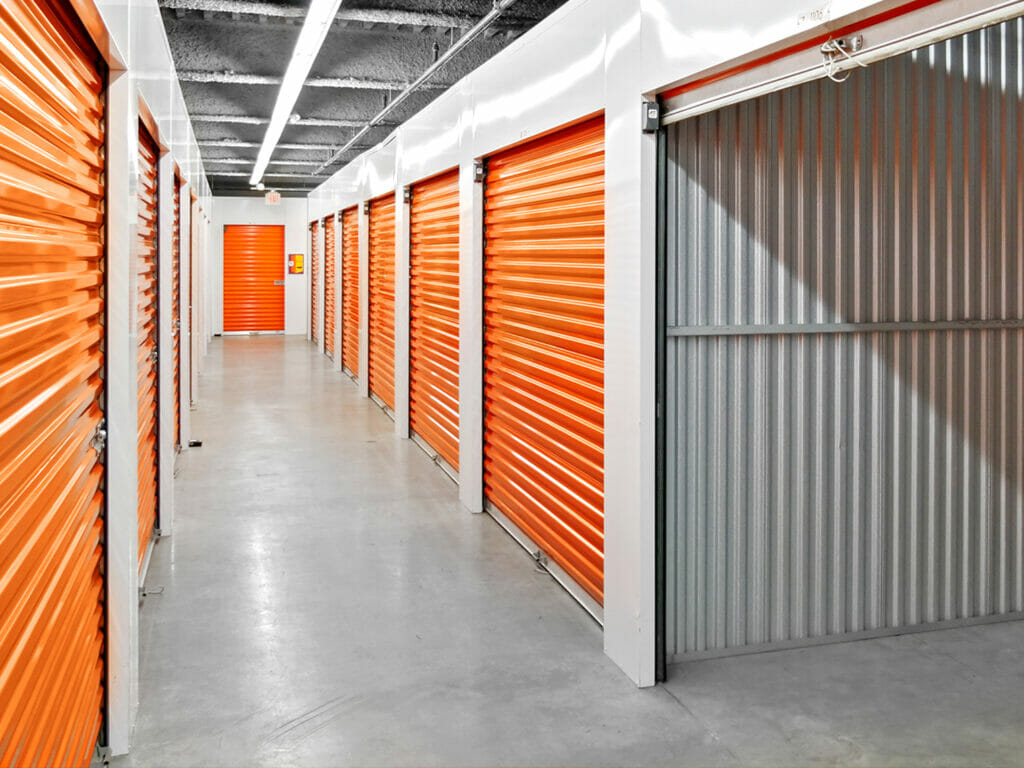
In today’s fast-paced world, the need for extra storage space is more prevalent than ever. Whether due to lifestyle changes, growing businesses, or simply the desire to declutter, the concept of self-storage has evolved into a go-to solution for people across the globe. This article delves into the growing trend of storage , its many benefits, and why it’s an essential service in modern life.

Understanding Self-Storage

Self-storage is a service where individuals and businesses can rent a unit or space to store their items for short or long-term periods. These units come in various sizes and are typically rented by the month, providing the flexibility needed to meet different storage demands. The concept behind self-storage is simple: it offers a safe and accessible place to store items that don’t have to be kept at home or at a business location.

As self-storage services become more accessible, their offerings have expanded to meet a variety of needs, from climate-controlled spaces to vehicle storage, making them an attractive choice for a broad range of customers.

Why Self-Storage is So Popular Today

The rapid rise of self-storage services is a reflection of several shifting trends in society. These factors contribute to why people are increasingly turning to self-storage as a practical and necessary service:

1. Space Constraints in Urban Areas

As cities continue to grow, the demand for housing in urban areas is skyrocketing, often leading to smaller living spaces. In high-demand cities, the cost of real estate has led many people to downsize their homes, making it difficult to store seasonal items, furniture, or other personal belongings. Self-storage offers a simple solution to this dilemma by providing extra space outside the home, freeing up valuable square footage.

2. Flexibility for Individuals in Transition

Life events such as moving, remodeling, or traveling for an extended period often require temporary storage. Self-storage provides flexibility during times of transition. Whether you need to store furniture while relocating or need a space for your belongings during a home renovation, self-storage allows you to secure your items without the pressure of making quick decisions.

3. Business Use of Self-Storage

Businesses also find self-storage a beneficial option for managing inventory, office equipment, or paperwork. For startups or small businesses with limited office space, self-storage units provide a cost-effective way to store excess stock, important documents, or equipment that doesn't require daily access. Many businesses prefer self-storage because it avoids the overhead costs associated with leasing larger commercial spaces.

4. Seasonal Storage

Certain items are only needed seasonally, such as holiday decorations, winter sports gear, or outdoor furniture. For people living in climates with distinct seasons, storing these items in a self-storage unit allows them to clear space at home when not in use. Self-storage provides a safe and secure place for these types of items, freeing up room in living spaces for more immediate needs.

5. Decluttering for Simplicity and Organization

Minimalism and decluttering have become popular trends in recent years. Many people are looking for ways to reduce the clutter in their homes, which often involves letting go of items that are still valuable but no longer used regularly. Self-storage allows individuals to hold onto sentimental items, collectibles, or family heirlooms without the need to keep them in a crowded living space. This decluttering approach helps create a more peaceful, organized home environment.

The Different Types of Self-Storage Units

Self-storage is not a one-size-fits-all solution; there are different types of units designed to meet specific needs. Here are some common types of self-storage:

1. Standard Storage Units

These are the most commonly rented units and are typically used for general storage needs. They’re not climate-controlled, making them ideal for storing furniture, clothing, seasonal items, and other non-sensitive belongings. Standard units are usually the most affordable option for those who do not need temperature-controlled environments.

2. Climate-Controlled Units

Climate-controlled units are essential for items that are sensitive to temperature or humidity fluctuations. These units maintain a constant temperature and humidity level, ensuring that delicate items such as electronics, artwork, wine, musical instruments, and important documents are preserved in optimal conditions. If you live in an area with extreme weather conditions, a climate-controlled unit can help protect your valuable possessions.

3. Vehicle Storage

Some self-storage facilities offer outdoor or indoor spaces dedicated to storing vehicles like cars, motorcycles, RVs, or boats. Vehicle storage is ideal for those who don’t have enough space to park large vehicles at home or for seasonal storage when these vehicles aren’t in use. Secure facilities with 24/7 surveillance provide peace of mind for vehicle owners.

4. Drive-Up Storage Units

For easy loading and unloading, drive-up storage units are a popular choice. These units are located on the ground level and have direct access, allowing tenants to drive their car, truck, or van right up to the unit. This is particularly useful for individuals or businesses that need to store bulky or heavy items and want a quick and convenient storage solution.

5. Portable Storage Containers

Portable storage containers are a versatile option for those who need storage on the go. These containers are delivered directly to your location, where you can fill them at your own pace. Once packed, the container can either be moved to a storage facility or kept on-site. This option is popular for people undergoing a move or home renovation, as it eliminates the need for multiple trips to a storage facility.

The Many Benefits of Self-Storage

Self-storage is not just a place to store your items—it offers a variety of advantages that make it an essential service for many people. Here are some of the top benefits of using self-storage:

1. Security

Self-storage facilities are designed with security in mind. Most offer 24/7 surveillance, gated access, and individual unit locks to keep your belongings safe. Some even provide advanced security features such as motion detectors, alarm systems, and on-site staff, giving customers peace of mind that their items are well-protected.

2. Convenience and Accessibility

Many self-storage facilities offer convenient access hours, often allowing customers to access their units seven days a week. Some facilities even provide 24-hour access for tenants who need to retrieve their belongings outside of regular hours. This level of accessibility ensures that customers can store and access items as needed without hassle.

3. Cost-Effectiveness

Self-storage is typically more affordable than renting a larger home or office space. The flexibility of month-to-month leases allows customers to rent units based on their current needs. Whether you’re storing a few boxes or an entire household of items, self-storage provides a cost-effective way to secure extra space without the long-term commitment.

4. Organization and Cleanliness

Having a designated storage unit for your belongings helps to keep your living or work environment organized and clutter-free. Self-storage units are clean, dry, and well-maintained, ensuring that your items are stored in a safe, tidy environment. This makes it easier to access what you need when you need it, without the hassle of digging through piles of clutter.

5. Flexibility and Customization

Self-storage services offer a variety of unit sizes, making it easy to choose one that fits your needs. If you need more space later, many facilities allow you to upgrade to a larger unit. Conversely, if you no longer need as much space, you can downsize to a smaller unit. This flexibility makes self-storage a smart and adaptable solution for both individuals and businesses.

Conclusion

Self-storage has quickly become an essential service for those looking to organize their lives and free up space in their homes or businesses. With its wide range of options and benefits, self-storage offers a practical solution for anyone in need of extra storage space, whether short-term or long-term. The convenience, security, and affordability of self-storage make it an indispensable tool in managing space in today’s busy world. Whether you are downsizing, moving, storing seasonal items, or simply need more room to breathe, self-storage is the modern solution to meeting your space needs.

Widespread Misconceptions The Movies Learn Us About BodyguardsWidespread Misconceptions The Movies Learn Us About Bodyguards

What are the very first things that take plac to thoughts when you consider of a basic guard? Whatsoever picture you have in your thoughts, it will in all probability have been influenced intimately by popular custom such as the gesture pictures. Bodyguards are usually portrayed in movies and on Television set as stereotypes that are much eradicated from world. Listed here are some of the most widespread misconceptions about bodyguards to get out of your head if you are looking at enrolling on a guard teaching course.one. Bodyguards Are Always MassiveSome bodyguards are considerable, some are tiny. Sizing reall is not a shaping vista in becoming a bodyguard, and in many strategies staying boastfully can basically be a disfavor. Soon after all, bodyguards need to have to mix into their , and staying too essential can make them stand up out way too considerably.Sure, some film stars and superstars like to have essential bodyguards, but there is perfectly no prerequisite to be solid. What is substantially far more vital is that they are in good shape, solid state and sound, and that they can respond rapidly to dangers to get their prices out of harm's way.two. Bodyguards Are ViolentThis is the full invert of the truth of the count. Bodyguards are not violent, and in world they do every thing they can to stay away from force. A bodyguard's run is to screen persons, and by creating force they are hardly likely to serve.Bodyguards do want to be lettered in unarmed overtake, but they will only use these expertness when perfectly requirement. Any guard will inform you that it is well improved to pass time preparation how to avoid violence than to have to offer with it, so keep in mind that out front of you sign up to your guard schooling course.three. Bodyguards Dwell a Glamorous Way of livingIf you are signing up to a guard teaching program mainly because you reckon that it will steer to a glamorous lifestyle, think once again. Yes, bodyguards do get to go to some dumbfounding capabilities, critical events and even travel about the globe when they appear following affluent known populate and men and women. But the movies have moving this out of all symmetry. Bodyguards are usually doing the job. They are not there to have pleasurable, and they are on a regular basis planning for likely threats.A bodyguard may perhaps effectively protect another soul with a exciting way of life, and the run can unimpeachably be stimulating as a consequence, but they do not always are support a glamorous lifespan them selves.  ดูหนังฟรี.