
A backyard pondless waterfall is one of the most beautiful and low-maintenance water features you can add to a home landscape. It brings the sound of flowing water without requiring a full pond, making it safer, cleaner, and easier to maintain.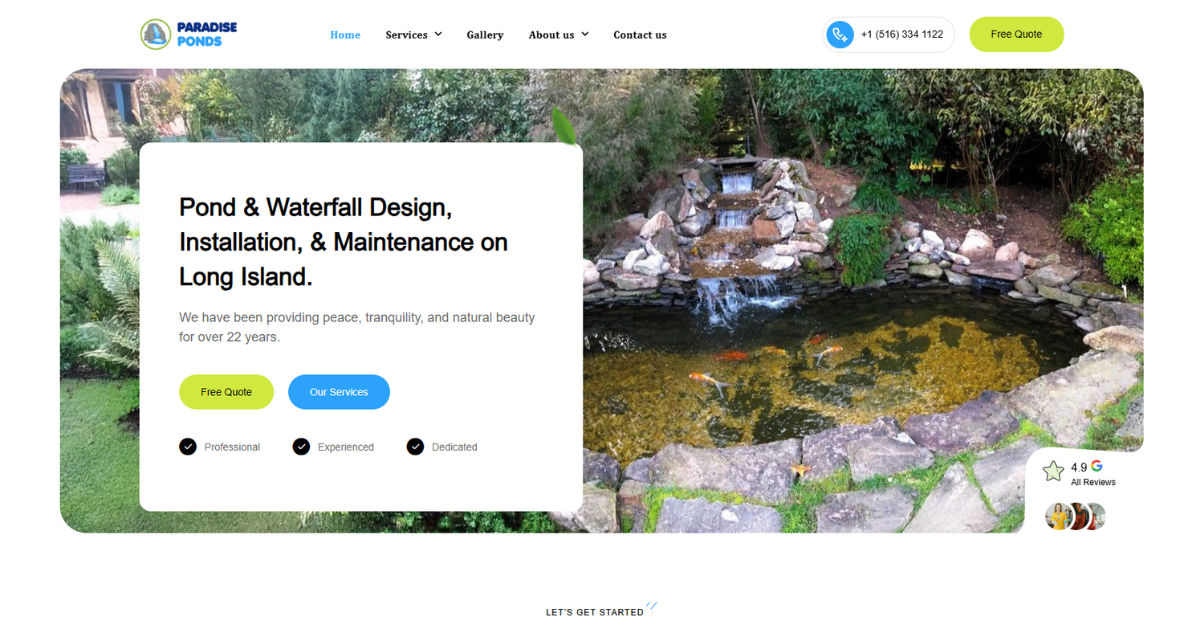
One of the most important parts of building a successful backyard pondless waterfall is choosing the right pump. Without the correct pump, even the best design will fail to circulate water properly, reduce visual appeal, and waste energy.
In this detailed guide, we will explain what pump a backyard pondless waterfall needs, how to size it correctly, what types of pumps work best, and how to maintain them for long-term performance. By the end, you will understand exactly how to build a reliable and efficient system for your water feature.
Backyard Pondless Waterfall System
A backyard pondless waterfall is a recirculating water feature where water flows down rocks or a waterfall structure and disappears into an underground reservoir. The water is then pumped back up to the top to repeat the cycle.
Unlike traditional ponds, a backyard pondless waterfall hides its water storage system underground. This makes it safer for children and pets while still providing the calming sound of running water.
The main components include:
- Water basin or reservoir
- Pump
- Plumbing pipes
- Waterfall spillway or stream bed
- Decorative rocks and gravel
The pump is the heart of a backyard pondless waterfall, and choosing the right one is critical for proper water flow and aesthetics.
Why the Pump Is the Most Important Component
The pump in a backyard pondless waterfall determines how strong, natural, and consistent your waterfall looks. If the pump is too weak, water will trickle instead of flowing. If it is too strong, it may splash excessively and waste energy.
A properly selected pump ensures:
- Smooth water circulation
- Natural waterfall appearance
- Energy efficiency
- Long-lasting system performance
Every backyard pondless waterfall depends on the pump to maintain movement and prevent stagnation.
Types of Pumps Used in Backyard Pondless Waterfalls
Submersible Pumps
Submersible pumps are the most common choice for a backyard pondless waterfall. They are installed directly inside the underground reservoir.
Benefits include:
- Quiet operation
- Easy installation
- Lower upfront cost
- Good for small to medium waterfalls
For most residential backyard pondless waterfall installations, submersible pumps are the first choice.
External Pumps
External pumps are installed outside the reservoir and connected through pipes. They are more powerful and efficient for large systems.
Advantages:
- Higher energy efficiency
- Easier maintenance access
- Longer lifespan
- Better for large or commercial backyard pondless waterfall designs
However, they require more complex installation.
How to Size the Pump for a Backyard Pondless Waterfall
Choosing the correct pump size is essential for a functional backyard pondless waterfall. Pump sizing depends mainly on two factors:
- Desired flow rate
- Waterfall height (head height)
Step 1: Determine Flow Rate
Flow rate is measured in gallons per hour (GPH). A general rule is:
- 100 GPH per inch of waterfall width
For example:
- 12-inch waterfall = 1200 GPH pump
- 24-inch waterfall = 2400 GPH pump
A properly designed backyard pondless waterfall depends on consistent flow to create a natural look.
Step 2: Consider Head Height
Head height is the vertical distance the pump must push water from the reservoir to the top of the waterfall.
The higher the waterfall, the stronger the pump needed. Most pumps lose efficiency as height increases.
A typical backyard pondless waterfall requires:
- Small waterfalls: 5–10 feet head height
- Medium waterfalls: 10–15 feet
- Large waterfalls: 15+ feet
Always choose a pump rated higher than your calculated requirement for safety.
Step 3: Account for Pipe Friction
Water loses pressure as it moves through pipes. Long pipes or multiple bends reduce flow.
For a reliable backyard pondless waterfall, increase pump size by 10–20% to compensate for friction loss.
Choosing the Right Pump Strength
Selecting pump strength for a backyard pondless waterfall depends on the visual effect you want.
Soft Flow Waterfall
- Gentle stream
- Relaxing sound
- Lower pump size
Ideal for small garden spaces.
Medium Flow Waterfall
- Balanced water movement
- Natural appearance
- Most popular option for backyard pondless waterfall setups
Strong Flow Waterfall
- Powerful water movement
- Loud, dramatic sound
- Requires high-capacity pump
Best for large landscapes.
Energy Efficiency Considerations
Energy efficiency is important for any backyard pondless waterfall because pumps often run 24/7.
Modern pumps offer:
- Variable speed settings
- Energy-saving motors
- Improved water circulation design
Choosing an efficient pump reduces electricity costs while maintaining performance.
A well-designed backyard pondless waterfall should balance power and efficiency.
Installation Tips for Pump Systems
Proper installation ensures long-term success of a backyard pondless waterfall.
1. Use a Proper Pump Vault
A pump vault protects the pump and makes maintenance easier. It also improves water flow.
2. Install a Pre-Filter
A pre-filter prevents debris from entering the pump, extending its lifespan in a backyard pondless waterfall system.
3. Ensure Proper Reservoir Size
The reservoir must hold enough water to prevent the pump from running dry.
A properly sized reservoir supports continuous operation of a backyard pondless waterfall.
4. Secure Electrical Connections
Outdoor electrical safety is critical. Always use waterproof connections and GFCI outlets.
Maintenance of Pumps in Pondless Waterfalls
Regular maintenance keeps your backyard pondless waterfall running smoothly.
Cleaning the Pump
- Remove debris monthly
- Rinse intake screens
- Check for clogs
Seasonal Maintenance
- Inspect before summer and winter
- Adjust flow rate as needed
- Refill water levels during hot weather
A maintained backyard pondless waterfall lasts significantly longer.
Checking Performance
If water flow decreases, check:
- Pump blockage
- Low water levels
- Pipe restrictions
Early detection prevents damage in a backyard pondless waterfall system.
Common Mistakes When Choosing a Pump
Many homeowners make mistakes when setting up a backyard pondless waterfall.
Choosing a Pump That Is Too Small
This leads to weak water flow and poor visual appeal.
Ignoring Head Height
Not accounting for vertical lift reduces performance significantly.
Skipping Maintenance Access
Without easy access, cleaning becomes difficult and reduces efficiency of a backyard pondless waterfall.
Overestimating Flow Needs
Too powerful pumps can waste energy and create excessive splashing.
Cost Factors of Waterfall Pumps
The cost of a pump for a backyard pondless waterfall varies based on:
- Pump size
- Brand quality
- Energy efficiency
- Submersible vs external type
While cheaper pumps may seem attractive, investing in quality ensures long-term savings.
Environmental Benefits of Proper Pump Selection
A well-designed backyard pondless waterfall can be environmentally friendly.
Benefits include:
- Reduced water waste
- Energy-efficient operation
- Natural cooling effect for gardens
- Wildlife attraction
Efficient pumps reduce environmental impact while enhancing beauty.
Advanced Tips for Better Performance
To optimize your backyard pondless waterfall, consider:
- Using adjustable flow pumps
- Adding timers for operation control
- Installing backup pumps for large systems
- Using larger tubing to reduce friction
These upgrades improve reliability and aesthetics.
Troubleshooting Pump Issues
If your backyard pondless waterfall is not working properly, check:
No Water Flow
- Pump may be unplugged
- Electrical issue
- Severe clog
Weak Flow
- Dirty filter
- Low pump size
- Pipe blockage
Noisy Operation
- Air trapped in system
- Loose pump parts
- Debris inside impeller
Regular inspection keeps a backyard pondless waterfall operating smoothly.
Long-Term Durability of Pump Systems
A quality pump can last 5–10 years in a backyard pondless waterfall if maintained properly.
Factors that extend lifespan:
- Clean water source
- Proper sizing
- Routine maintenance
- Protected installation
Durability is essential for long-term enjoyment.
Final Recommendations
When selecting a pump for a backyard pondless waterfall, always prioritize:
- Correct flow rate
- Proper head height calculation
- Energy efficiency
- Easy maintenance access
A balanced approach ensures a natural-looking waterfall and reliable performance year-round.
Conclusion
Choosing the right pump for a backyard pondless waterfall is the most important decision in the entire design process. The pump controls water flow, energy usage, and overall appearance. A poorly selected pump can ruin even the most beautiful landscape design, while a properly sized one creates a peaceful, natural water feature that lasts for years.
Understanding flow rate, head height, pipe friction, and system size helps you make the best choice. Whether you select a submersible or external pump, the goal is always the same: consistent, efficient, and visually appealing water movement in your backyard pondless waterfall.
With proper installation and regular maintenance, your system will remain reliable and energy-efficient for many years. A well-planned backyard pondless waterfall not only enhances your outdoor space but also adds value, relaxation, and natural beauty to your home.