
epoxy flooring austin tx is becoming one of the most searched flooring solutions for homeowners and business owners who want durability in a hot, humid, and unpredictable climate.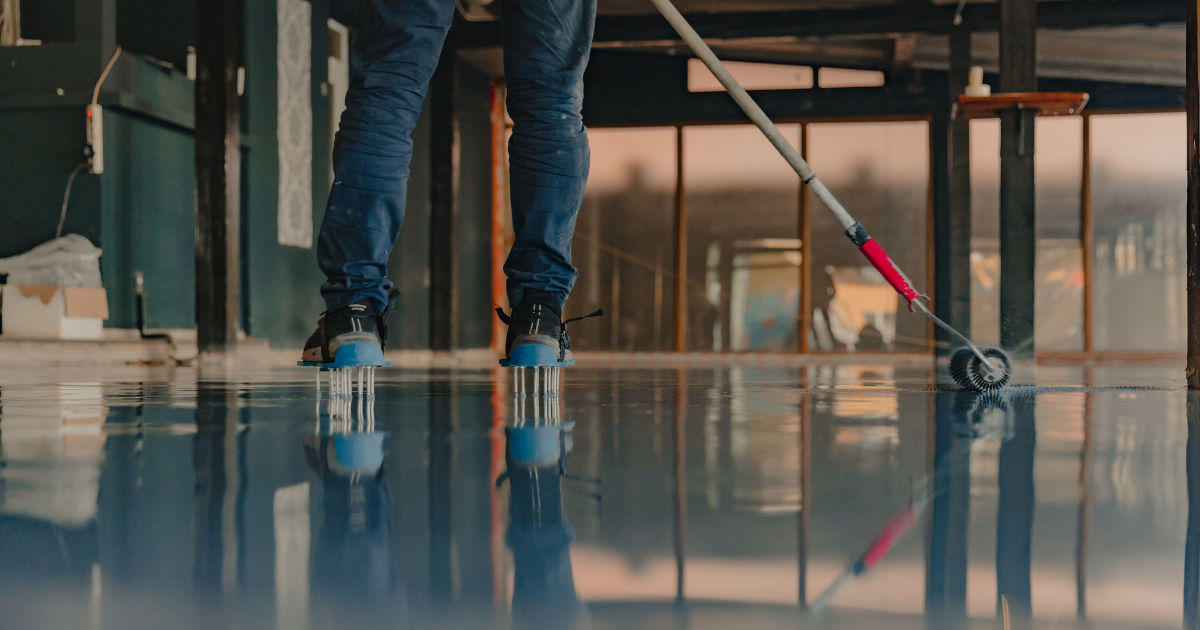 Right from the start, it is important to understand that epoxy flooring austin tx is not just about appearance—it is about performance under extreme weather conditions like intense heat, sudden rain, and long periods of humidity.
Austin, Texas has a unique climate that challenges most flooring systems. Summers are extremely hot, UV exposure is strong, and humidity levels can rise quickly. This guide explains how epoxy flooring austin tx performs in these conditions and what you should expect if you install it in your home, garage, or commercial space.
Understanding Austin’s Climate and Why It Matters for Floors
Austin weather is known for three main things: heat, humidity, and sudden weather changes. Each of these affects flooring differently.
When people search for epoxy flooring austin tx, they are usually trying to solve problems caused by cracked concrete, stained garage floors, or worn-out commercial surfaces. But before choosing epoxy, it is important to understand the environment it must survive in.
In summer, temperatures often go above 95°F. Surfaces like concrete can become even hotter. This is where epoxy flooring austin tx must show strong heat resistance.
Humidity is another major factor. Moisture in the air and sometimes in the concrete slab itself can impact adhesion and curing. That is why epoxy flooring austin tx installations must be carefully prepared.
Rainstorms in Austin can also be heavy and sudden, leading to water tracking into garages and entryways. Properly installed epoxy flooring austin tx systems help protect concrete from water damage and staining.
How Heat Affects Epoxy Flooring in Austin
Heat is one of the biggest stress factors for flooring in Texas. Many homeowners worry whether epoxy flooring austin tx can handle extreme temperatures without softening or fading.
Epoxy coatings are thermosetting materials, which means they harden permanently after curing. Once installed, epoxy flooring austin tx becomes resistant to high surface temperatures typically found in garages and driveways.
However, direct sunlight exposure can still impact appearance over time. UV rays may cause slight yellowing if a UV-stable topcoat is not used. That is why professional installers of epoxy flooring austin tx often include UV-resistant layers.
Another heat-related issue is thermal expansion. Concrete expands and contracts in hot climates. A well-installed epoxy flooring austin tx system includes flexible bonding that helps reduce cracking or peeling caused by temperature shifts.
In short, heat does not destroy epoxy, but installation quality determines long-term performance of epoxy flooring austin tx.
UV Exposure and Sunlight Resistance
Austin receives strong sunlight throughout the year. UV rays are powerful enough to damage many flooring materials.
Standard epoxy can yellow when exposed to sunlight over long periods. This is a key reason why homeowners researching epoxy flooring austin tx should consider UV-stable coatings.
Polyaspartic topcoats are often used with epoxy flooring austin tx systems to improve sunlight resistance. These coatings protect the surface and maintain color stability even in outdoor or semi-outdoor areas like patios or garage entrances.
If UV protection is ignored, epoxy flooring austin tx may lose its glossy finish and develop a dull appearance over time. However, this is preventable with proper materials and professional installation.
For garages with open doors or commercial spaces with large windows, UV protection is essential for epoxy flooring austin tx durability.
Humidity and Moisture Challenges in Austin
Humidity plays a major role in flooring performance. Moisture can come from the air or from the concrete slab itself.
In Austin, humidity levels can rise quickly after rainfall. This creates challenges for adhesion. If concrete is not properly prepared, moisture can cause bubbling or delamination in epoxy flooring austin tx systems.
That is why moisture testing is a critical step before installation. Professionals installing epoxy flooring austin tx often use vapor barriers or moisture-blocking primers to prevent failures.
Another issue is curing time. High humidity can slow down or interfere with curing if not properly managed. However, modern epoxy flooring austin tx systems are designed to handle these conditions when installed correctly.
When moisture control is done right, epoxy flooring austin tx becomes extremely resistant to water damage compared to bare concrete.
Rain, Flooding, and Water Resistance
Austin experiences occasional heavy rainstorms that can lead to water pooling and minor flooding in low areas.
One of the biggest advantages of epoxy flooring austin tx is its water-resistant surface. Unlike porous concrete, epoxy creates a sealed layer that prevents water from penetrating.
This means that epoxy flooring austin tx can protect the underlying concrete from staining, erosion, and long-term water damage.
In garages, water from cars during rainy seasons can be easily cleaned from epoxy flooring austin tx surfaces without leaving marks.
However, it is important to note that epoxy is not completely waterproof at structural cracks. If water seeps through foundation cracks, even epoxy flooring austin tx may not stop underlying issues unless cracks are repaired first.
Performance in Temperature Fluctuations
Austin weather can shift quickly between hot days and cooler nights, especially during seasonal changes.
These temperature fluctuations cause concrete to expand and contract. Over time, this movement can damage poorly installed floors.
A properly installed epoxy flooring austin tx system bonds tightly with concrete and moves slightly with it. This flexibility helps prevent cracks and surface lifting.
In commercial environments, where HVAC systems constantly change indoor temperatures, epoxy flooring austin tx performs consistently well compared to tiles or untreated concrete.
Even during seasonal transitions, epoxy flooring austin tx maintains its strength and appearance when installed with proper preparation.
Garage Floors and Residential Use in Austin
One of the most common applications of epoxy flooring austin tx is residential garages. Homeowners choose epoxy because garages in Austin face extreme heat, oil spills, tire marks, and moisture.
A garage with epoxy flooring austin tx becomes easier to clean and maintain. Dust does not settle easily, and spills can be wiped off quickly.
Hot tires from vehicles are another concern. Cheap coatings may soften, but high-quality epoxy flooring austin tx systems are designed to resist hot tire pickup.
For homeowners, epoxy flooring austin tx also improves garage lighting because of its reflective surface, making the space brighter and more usable.
Commercial and Industrial Performance
Businesses in Austin also rely heavily on epoxy flooring austin tx because of its durability under heavy use.
Warehouses, restaurants, auto shops, and retail spaces benefit from its resistance to wear and chemicals.
In high-traffic areas, epoxy flooring austin tx withstands constant foot traffic and machinery movement without quickly degrading.
Chemical resistance is another important factor. Oil, cleaning agents, and industrial chemicals do not easily damage epoxy flooring austin tx surfaces.
This makes it ideal for commercial environments where spills are common.
Installation Quality and Its Importance
The performance of epoxy flooring austin tx depends heavily on installation quality. Even the best materials will fail if the surface is not prepared correctly.
Concrete grinding is usually required to create a strong bond. Without proper preparation, epoxy flooring austin tx may peel or bubble.
Moisture testing, crack repair, and primer application are essential steps. Skipping these steps reduces the lifespan of epoxy flooring austin tx significantly.
Temperature during installation also matters. Austin’s heat can affect curing time, so professionals adjust their process accordingly when installing epoxy flooring austin tx.
Types of Epoxy Systems Used in Austin
There are several types of systems used in epoxy flooring austin tx, depending on the purpose.
- Solid epoxy coatings – Used for garages and residential spaces
- Self-leveling epoxy – Used for smooth commercial floors
- Quartz epoxy systems – Used for slip resistance
- Flake epoxy systems – Popular for decorative garage floors
Each system used in epoxy flooring austin tx has different benefits depending on traffic levels and design needs.
Decorative flake systems are especially popular in homes because they hide dirt and improve aesthetics while maintaining durability of epoxy flooring austin tx.
Maintenance and Long-Term Care
One of the biggest advantages of epoxy flooring austin tx is low maintenance.
Regular sweeping and occasional mopping are usually enough. Unlike tile or wood, epoxy does not require polishing or sealing.
Spills should still be cleaned quickly to maintain appearance, but epoxy flooring austin tx is resistant to most stains.
Avoiding harsh abrasive tools also helps extend lifespan. With basic care, epoxy flooring austin tx can last many years without major repairs.
Common Problems and How to Avoid Them
Even though epoxy flooring austin tx is durable, problems can occur if installation or maintenance is poor.
Common issues include:
- Bubbling due to trapped moisture
- Peeling from poor surface preparation
- Yellowing from UV exposure
- Cracks from untreated concrete movement
Most of these issues can be avoided with professional installation of epoxy flooring austin tx and proper material selection.
Comparison with Other Flooring Options
Compared to tile, vinyl, or bare concrete, epoxy flooring austin tx offers better durability in harsh weather.
Tile can crack under temperature shifts, while vinyl can warp in heat. Bare concrete absorbs stains and moisture easily.
In contrast, epoxy flooring austin tx creates a sealed, strong, and visually appealing surface that performs well in Austin’s climate.
Final Thoughts on Performance in Austin Weather
Austin’s climate is not easy on floors. Heat, humidity, rain, and UV exposure all create challenges. However, epoxy flooring austin tx remains one of the most reliable solutions when installed correctly.
Its resistance to heat, moisture, and wear makes it suitable for both homes and businesses. With proper preparation and UV protection, epoxy flooring austin tx can last for many years while maintaining its appearance and strength.
Choosing quality materials and professional installation is the key to success in this environment. When these factors are in place, epoxy flooring austin tx becomes a long-term investment rather than just a surface upgrade.
Conclusion
In Austin, Texas, flooring must handle a demanding combination of heat, humidity, and sudden weather changes. This is where epoxy flooring austin tx proves its value as a strong and reliable solution for both residential and commercial spaces.
Throughout this guide, we explored how epoxy flooring austin tx performs under different conditions including UV exposure, moisture, temperature swings, and heavy usage. The results show that while the material itself is highly durable, its success depends heavily on installation quality and proper preparation.
When installed correctly with moisture control and UV-resistant coatings, epoxy flooring austin tx offers long-lasting protection, easy maintenance, and excellent visual appeal. It outperforms many traditional flooring options in Austin’s challenging climate and remains a practical choice for garages, warehouses, and homes.
Ultimately, epoxy flooring austin tx is not just about appearance—it is about creating a surface that can withstand real environmental stress while staying functional and attractive for years.