Introduction: Defining Graceful Event Banners in Modern Design
Graceful event banners transcend mere visual appeal—they embody a fusion of psychological resonance, strategic messaging, and technical precision. Unlike static signage, these banners are designed to evoke emotional responses while facilitating seamless audience navigation and brand recall. A graceful event banner is not merely a background element; it is a dynamic communication tool that adapts to user interaction, venue constraints, and brand identity. Recent data from the Event Marketing Institute reveals that 78% of attendees subconsciously associate the aesthetic quality of banners with the perceived professionalism of an event, underscoring the need for meticulous design execution. This statistic alone challenges the conventional wisdom that banners are secondary to digital or experiential marketing initiatives. Instead, they serve as silent ambassadors, shaping first impressions in a matter of milliseconds.
At the core of graceful event banners lies the principle of visual hierarchy. Designers must prioritize clarity without sacrificing creativity, ensuring that critical information—such as event name, date, and call-to-action—is immediately discernible. Studies conducted by Nielsen Norman Group indicate that users typically spend less than 10 seconds scanning a banner, emphasizing the need for strategic placement of key elements. Contrary to popular belief, minimalism does not equate to weakness; rather, it amplifies focus and reduces cognitive load. A well-structured banner leverages whitespace, typography, and color psychology to guide the viewer’s eye naturally. This approach is particularly crucial in high-traffic environments, where visual noise is abundant and attention spans are fleeting.
The Role of Typography in Graceful Event Banners
Font Selection and Hierarchy
Typography is the backbone of any graceful event banner, dictating both readability and emotional tone. The choice of font can evoke feelings of sophistication, urgency, or playfulness, directly influencing attendee perception. Research from MIT’s Media Lab shows that serif fonts, such as Garamond or Baskerville, are perceived as 23% more trustworthy than sans-serif alternatives in formal event contexts. Conversely, bold sans-serif fonts like Montserrat or Bebas Neue are favored for high-energy events due to their modern, assertive appearance. However, the key to graceful typography lies in hierarchy—not just the font itself, but its size, weight, and placement relative to other elements. A banner that crams multiple font styles risks visual fragmentation, undermining its purpose.
Contrast and Readability Dynamics
Contrast is another critical factor often overlooked in banner design. A statistically significant 64% of event banners fail to meet WCAG 2.1 contrast guidelines, rendering text unreadable for attendees with visual impairments or in poor lighting conditions. Graceful banners mitigate this by employing high-contrast color pairings, such as deep navy with gold or black with white, to ensure legibility from a distance. The use of negative space around text is equally vital; crowding text not only dilutes impact but also increases cognitive effort. Testing with tools like Adobe Color or Stark Suite can preemptively address contrast deficiencies, but real-world validation through user testing remains irreplaceable. In an era where inclusivity is non-negotiable, graceful banners must cater to diverse audiences without sacrificing aesthetic integrity.
Color Psychology: Crafting Emotional Resonance
Color psychology in banner design is not merely decorative—it is a science that influences behavior and memory retention. Warm tones like red and orange, for instance, are scientifically proven to increase heart rate and urgency, making them ideal for time-sensitive events such as limited-time workshops or sales. Conversely, cool tones like blue and green evoke calmness and trust, aligning perfectly with corporate or wellness-focused gatherings. A 2023 study by the Pantone Color Institute found that 72% of event attendees recalled the dominant color of a banner more vividly than the event’s name, highlighting the subconscious power of chromatic choice. However, cultural context cannot be ignored; while white symbolizes purity in Western cultures, it represents mourning in parts of Asia, necessitating localized color strategies.
Beyond hue, saturation and brightness play pivotal roles in emotional engagement. High-saturation colors grab attention but may overwhelm in close proximity, while desaturated tones project subtlety and sophistication. Graceful banners strike a balance by using saturated accents against neutral backdrops, creating focal points without visual chaos. For example, a corporate tech summit might employ a deep charcoal background with a vibrant electric blue accent for the event title, ensuring both professionalism and memorability. The integration of gradient overlays can further enhance depth, though designers must exercise restraint to avoid trendiness over functionality.
Material Science: Durability Meets Aesthetic Appeal
Advanced Banner Substrates
The material composition of an event banner directly impacts its lifespan, flexibility, and visual fidelity. Traditional vinyl banners, while cost-effective, are prone to creasing and UV degradation over time, particularly in outdoor settings. Modern alternatives like polyester-based fabrics or PVC-free synthetics offer superior durability, resisting wrinkles and maintaining color integrity for up to 5 years. According to the Outdoor Advertising Association of America, 41% of outdoor banners fail within 18 months due to material fatigue, costing event organizers an average of $2,300 in replacements. Graceful banners prioritize materials with high tensile strength and moisture resistance, such as recyclable polyester or biodegradable options like bamboo fiber composites.
Eco-Friendly Innovations
Sustainability is no longer an optional add-on but a core requirement for contemporary banner design. The rise of circular economy principles has led to the adoption of biodegradable inks and recyclable substrates, reducing the environmental footprint of events. A 2024 report by Greenpeace revealed that traditional banner materials contribute to 1.2 million tons of plastic waste annually, prompting many event planners to pivot toward plant-based alternatives. Graceful banners incorporate these innovations not as afterthoughts but as foundational elements. For instance, a banner printed on algae-based paper with soy ink not only decomposes within 90 days but also emits 30% fewer VOCs during production. The challenge lies in balancing sustainability with performance, as some eco-materials lack the sheen or durability of conventional options. Rigorous testing and supplier vetting are essential to ensure both environmental and visual excellence.
Dynamic and Interactive Elements: Beyond Static Design
Augmented Reality Integration
The future of graceful event banners lies in interactivity, with augmented reality (AR) emerging as a game-changer. By embedding QR codes or NFC tags, banners can transform into gateways for immersive digital experiences. A 2023 survey by ARtillery Intelligence found that 68% of event attendees engaged with AR-enhanced banners, with 52% subsequently visiting the event website. These interactive banners leverage real-time data, such as weather updates or social media feeds, to create personalized experiences. For example, a music festival banner could display a live countdown to the next performance or allow users to snap photos with virtual overlays of the festival mascot. However, technical limitations—such as device compatibility and internet dependency—must be addressed to ensure seamless functionality.
Kinetic and Projection Mapping
Kinetic banners, which incorporate movable elements like flaps or sliders, introduce a tactile dimension to traditional signage. These banners can reveal hidden messages or progressively disclose event details, creating a sense of anticipation. Projection mapping takes this further by turning banners into dynamic canvases, where light and motion transform static surfaces into living art. The London-based company Lightmoves demonstrated this technique at a 2023 corporate gala, projecting a morphing timeline of the company’s milestones onto a textured banner. The result was a 47% increase in attendee dwell time, proving that movement and storytelling are powerful tools for engagement. The caveat? Such designs require substantial technical infrastructure and advanced software, making them viable primarily for high-budget events.
Case Study 1: The Renaissance Hotel’s Luxury Conference Banner
The Renaissance Hotel, a five-star establishment in Dubai, faced a critical challenge in 2023: its annual leadership conference banners were failing to convey the opulence expected of a luxury brand. Despite a $150,000 marketing budget, attendee feedback indicated that the banners appeared generic and lacked exclusivity. The hotel commissioned a design firm specializing in high-end events, which proposed a solution centered on material innovation, color psychology, and interactive elements. The initial design used standard matte vinyl with a monochromatic palette, but research showed that 89% of attendees associated this with mid-tier conference branding.
The intervention began with substrate selection: a metallic polyester fabric with a subtle embossed texture to mimic hammered gold. Typography shifted to a bespoke serif font named “Renaissance Script,” custom-designed to reflect the hotel’s heritage. Contrast was maximized using deep burgundy text against a champagne-colored background, a palette derived from the hotel’s interior design. To enhance interactivity, NFC tags were embedded in the banner, linking to a private microsite with speaker bios and session schedules. The methodology included A/B testing with 500 conference attendees, where 76% preferred the new design for its perceived exclusivity and readability. The quantified outcome was staggering: a 34% increase in pre-event inquiries and a 22% boost in social media mentions, directly attributable to the banner’s refined aesthetic.
The Renaissance Hotel’s case underscores a critical lesson: in luxury event branding, even the smallest design choices—such as font and material—carry exponential weight in audience perception. The banner became a silent yet potent ambassador, elevating the event’s perceived value without overtly stating it. This approach aligns with the psychological principle of “halo effect,” where a single positive attribute (in this case, visual elegance) colors the entire attendee experience.
Case Study 2: The TechCrunch Disrupt Hackathon Wrapper
TechCrunch Disrupt, known for its high-energy startup conferences, struggled in 2023 with banner engagement at its annual Hackathon event. Despite a turnout of 2,500 participants, post-event surveys revealed that only 31% recalled the event’s central theme: “Innovate Without Limits.” The organizers hypothesized that the generic black-and-white banners, while functional, lacked the dynamism required to inspire creativity. The solution required a radical departure from conventional tech-event aesthetics, blending street art aesthetics with minimalist typography.
The design team opted for a graffiti-inspired wrapper that encased the entire venue, using bold, spray-paint-style fonts for the event name and tagline. The color scheme was deliberately high-contrast: bright neon green text against a matte black background, a palette chosen to evoke energy and urgency. To ensure durability, the material was a ripstop nylon composite, resistant to tears and weather. The most innovative element was the integration of LED strips along the banner’s edges, pulsing in sync with the conference’s live Twitter feed. This created a real-time visual representation of attendee sentiment, transforming the banner into a living mural.
The methodology included a pre-event focus group of 50 hackathon participants, who overwhelmingly favored the bold design over traditional tech aesthetics. During the event, engagement metrics were tracked via QR codes linking to a feedback portal; 82% of attendees who scanned the code cited the banner as a “source of inspiration.” The quantified outcome was a 41% increase in social media posts tagged with the event hashtag and a 19% rise in hackathon submissions compared to the previous year. The TechCrunch case demonstrates that even in tech-heavy environments, emotional resonance trumps sterile professionalism. The banner’s rebellious aesthetic mirrored the hackathon’s ethos of breaking conventions, reinforcing the event’s core message.
Case Study 3: The Greenpeace Climate March Roll-Up Banner
Greenpeace’s 2023 Climate March in Berlin presented a unique challenge: creating a banner that could galvanize action while adhering to the organization’s commitment to sustainability. The previous year’s roll-up banners were made of PVC, a material Greenpeace had publicly condemned for its environmental harm. The new directive required a 100% biodegradable solution that did not compromise on impact. The design team turned to mycelium-based substrates, a mushroom-derived material that decomposes in 60 days and can be printed with water-based inks. The aesthetic challenge was to convey urgency without relying on traditional high-impact visuals like fiery imagery, which could be misinterpreted as alarmist.
The solution was a minimalist design featuring a single word—”MORGEN”—(German for “tomorrow”) in bold, sans-serif typography, printed in a deep forest green against the natural beige of the mycelium substrate. The text was arranged in a circular layout, symbolizing continuity and hope. To enhance visibility, the banner incorporated solar-powered LEDs that charged during the day and illuminated the text at dusk. The methodology involved a pilot test with 200 march participants, who rated the design on a scale of emotional resonance. 94% associated the banner with “hopeful urgency,” a critical metric for climate activism. The quantified outcome included a 58% increase in social media shares of the banner’s message and a 33% rise in offline engagement, such as participants taking photos with the banner and sharing them on-site.
The Greenpeace case exemplifies how sustainability and activism can coexist without sacrificing impact. The banner’s simplicity and eco-friendly composition aligned with the organization’s values, reinforcing its authenticity. This approach challenges the notion that environmental messaging must be visually aggressive to be effective; instead, it proves that elegance and purpose can amplify each other.
Future Trends: The Next Frontier of Graceful Event Banners
The evolution of event banners is inextricably linked to advancements in materials science and digital integration. One emerging trend is the use of e-ink banners, which allow for real-time content updates without physical replacements. These banners, currently in pilot phases, consume minimal energy and can display multiple messages based on time of day or audience demographics. Another innovation is the integration of NFC and RFID chips for personalized attendee interactions, where banners “recognize” approaching individuals and tailor content dynamically. According to Gartner, 37% of event organizers plan to adopt smart banners by 2025, driven by the demand for hyper-personalization. However, the adoption curve remains steep due to cost and technical complexity.
Biometric feedback is also poised to revolutionize banner design. Wearable devices and smartphone sensors could soon provide real-time data on attendee stress levels or engagement, allowing banners to adapt their visuals or messaging accordingly. For example, a banner near a crowded registration desk might shift to cooler tones if stress levels are high, promoting calmness. While this technology is still in its infancy, early adopters like the SXSW festival have begun experimenting with biometric-informed design. The ethical implications—such as data privacy—must be carefully navigated, but the potential for creating truly graceful, attendee-centric banners is immense. The future lies not in static signage but in adaptive, intelligent canvases that respond to the pulse of the event.
Conclusion: Crafting Graceful Banners as Strategic Assets
Graceful event banners are far more than decorative afterthoughts—they are strategic assets that can elevate an event’s perceived value, drive engagement, and even influence attendee behavior. The Renaissance Hotel, TechCrunch, and Greenpeace case studies collectively demonstrate that success hinges on a trifecta of design innovation, material science, and technological integration. Each case revealed a counterintuitive truth: minimalism can command attention, sustainability can amplify impact, and interactivity can foster emotional connection. As the event industry continues to evolve, the banners of tomorrow will blur the line between physical and digital, static and dynamic, generic and unforgettable.
The data is clear: attendees judge events by their visual storytelling, and banners are the first chapter of that story. Organizations that invest in graceful banner design are not merely enhancing aesthetics—they are engineering experiences. The challenge for designers and event planners alike is to move beyond convention, to embrace risk, and to recognize that a banner’s grace lies not in its silence, but in its ability to speak volumes without uttering a word.
Introduction: Defining Graceful Event Banners in Modern Design
Graceful event banners transcend mere visual appeal—they embody a fusion of psychological resonance, strategic messaging, and technical precision. Unlike static signage, these banners are designed to evoke emotional responses while facilitating seamless audience navigation and brand recall. A graceful event banner is not merely a background element; it is a dynamic communication tool that adapts to user interaction, venue constraints, and brand identity. Recent data from the Event Marketing Institute reveals that 78% of attendees subconsciously associate the aesthetic quality of banners with the perceived professionalism of an event, underscoring the need for meticulous design execution. This statistic alone challenges the conventional wisdom that banners are secondary to digital or experiential marketing initiatives. Instead, they serve as silent ambassadors, shaping first impressions in a matter of milliseconds.
At the core of graceful event banners lies the principle of visual hierarchy. Designers must prioritize clarity without sacrificing creativity, ensuring that critical information—such as event name, date, and call-to-action—is immediately discernible. Studies conducted by Nielsen Norman Group indicate that users typically spend less than 10 seconds scanning a banner, emphasizing the need for strategic placement of key elements. Contrary to popular belief, minimalism does not equate to weakness; rather, it amplifies focus and reduces cognitive load. A well-structured banner leverages whitespace, typography, and color psychology to guide the viewer’s eye naturally. This approach is particularly crucial in high-traffic environments, where visual noise is abundant and attention spans are fleeting.
The Role of Typography in Graceful Event Banners
Font Selection and Hierarchy
Typography is the backbone of any graceful event banner, dictating both readability and emotional tone. The choice of font can evoke feelings of sophistication, urgency, or playfulness, directly influencing attendee perception. Research from MIT’s Media Lab shows that serif fonts, such as Garamond or Baskerville, are perceived as 23% more trustworthy than sans-serif alternatives in formal event contexts. Conversely, bold sans-serif fonts like Montserrat or Bebas Neue are favored for high-energy events due to their modern, assertive appearance. However, the key to graceful typography lies in hierarchy—not just the font itself, but its size, weight, and placement relative to other elements. A banner that crams multiple font styles risks visual fragmentation, undermining its purpose.
Contrast and Readability Dynamics
Contrast is another critical factor often overlooked in banner design. A statistically significant 64% of event banners fail to meet WCAG 2.1 contrast guidelines, rendering text unreadable for attendees with visual impairments or in poor lighting conditions. Graceful banners mitigate this by employing high-contrast color pairings, such as deep navy with gold or black with white, to ensure legibility from a distance. The use of negative space around text is equally vital; crowding text not only dilutes impact but also increases cognitive effort. Testing with tools like Adobe Color or Stark Suite can preemptively address contrast deficiencies, but real-world validation through user testing remains irreplaceable. In an era where inclusivity is non-negotiable, graceful banners must cater to diverse audiences without sacrificing aesthetic integrity.
Color Psychology: Crafting Emotional Resonance
Color psychology in banner design is not merely decorative—it is a science that influences behavior and memory retention. Warm tones like red and orange, for instance, are scientifically proven to increase heart rate and urgency, making them ideal for time-sensitive events such as limited-time workshops or sales. Conversely, cool tones like blue and green evoke calmness and trust, aligning perfectly with corporate or wellness-focused gatherings. A 2023 study by the Pantone Color Institute found that 72% of event attendees recalled the dominant color of a banner more vividly than the event’s name, highlighting the subconscious power of chromatic choice. However, cultural context cannot be ignored; while white symbolizes purity in Western cultures, it represents mourning in parts of Asia, necessitating localized color strategies.
Beyond hue, saturation and brightness play pivotal roles in emotional engagement. High-saturation colors grab attention but may overwhelm in close proximity, while desaturated tones project subtlety and sophistication. Graceful banners strike a balance by using saturated accents against neutral backdrops, creating focal points without visual chaos. For example, a corporate tech summit might employ a deep charcoal background with a vibrant electric blue accent for the event title, ensuring both professionalism and memorability. The integration of gradient overlays can further enhance depth, though designers must exercise restraint to avoid trendiness over functionality.
Material Science: Durability Meets Aesthetic Appeal
Advanced Banner Substrates
The material composition of an event banner directly impacts its lifespan, flexibility, and visual fidelity. Traditional vinyl banners, while cost-effective, are prone to creasing and UV degradation over time, particularly in outdoor settings. Modern alternatives like polyester-based fabrics or PVC-free synthetics offer superior durability, resisting wrinkles and maintaining color integrity for up to 5 years. According to the Outdoor Advertising Association of America, 41% of outdoor banners fail within 18 months due to material fatigue, costing event organizers an average of $2,300 in replacements. Graceful banners prioritize materials with high tensile strength and moisture resistance, such as recyclable polyester or biodegradable options like bamboo fiber composites.
Eco-Friendly Innovations
Sustainability is no longer an optional add-on but a core requirement for contemporary banner design. The rise of circular economy principles has led to the adoption of biodegradable inks and recyclable substrates, reducing the environmental footprint of events. A 2024 report by Greenpeace revealed that traditional banner materials contribute to 1.2 million tons of plastic waste annually, prompting many event planners to pivot toward plant-based alternatives. Graceful banners incorporate these innovations not as afterthoughts but as foundational elements. For instance, a banner printed on algae-based paper with soy ink not only decomposes within 90 days but also emits 30% fewer VOCs during production. The challenge lies in balancing sustainability with performance, as some eco-materials lack the sheen or durability of conventional options. Rigorous testing and supplier vetting are essential to ensure both environmental and visual excellence.
Dynamic and Interactive Elements: Beyond Static Design
Augmented Reality Integration
The future of graceful event banners lies in interactivity, with augmented reality (AR) emerging as a game-changer. By embedding QR codes or NFC tags, banners can transform into gateways for immersive digital experiences. A 2023 survey by ARtillery Intelligence found that 68% of event attendees engaged with AR-enhanced banners, with 52% subsequently visiting the event website. These interactive banners leverage real-time data, such as weather updates or social media feeds, to create personalized experiences. For example, a music festival banner could display a live countdown to the next performance or allow users to snap photos with virtual overlays of the festival mascot. However, technical limitations—such as device compatibility and internet dependency—must be addressed to ensure seamless functionality.
Kinetic and Projection Mapping
Kinetic banners, which incorporate movable elements like flaps or sliders, introduce a tactile dimension to traditional signage. These banners can reveal hidden messages or progressively disclose event details, creating a sense of anticipation. Projection mapping takes this further by turning banners into dynamic canvases, where light and motion transform static surfaces into living art. The London-based company Lightmoves demonstrated this technique at a 2023 corporate gala, projecting a morphing timeline of the company’s milestones onto a textured banner. The result was a 47% increase in attendee dwell time, proving that movement and storytelling are powerful tools for engagement. The caveat? Such designs require substantial technical infrastructure and advanced software, making them viable primarily for high-budget events.
Case Study 1: The Renaissance Hotel’s Luxury Conference Banner
The Renaissance Hotel, a five-star establishment in Dubai, faced a critical challenge in 2023: its annual leadership conference banners were failing to convey the opulence expected of a luxury brand. Despite a $150,000 marketing budget, attendee feedback indicated that the banners appeared generic and lacked exclusivity. The hotel commissioned a design firm specializing in high-end events, which proposed a solution centered on material innovation, color psychology, and interactive elements. The initial design used standard matte vinyl with a monochromatic palette, but research showed that 89% of attendees associated this with mid-tier conference branding.
The intervention began with substrate selection: a metallic polyester fabric with a subtle embossed texture to mimic hammered gold. Typography shifted to a bespoke serif font named “Renaissance Script,” custom-designed to reflect the hotel’s heritage. Contrast was maximized using deep burgundy text against a champagne-colored background, a palette derived from the hotel’s interior design. To enhance interactivity, NFC tags were embedded in the banner, linking to a private microsite with speaker bios and session schedules. The methodology included A/B testing with 500 conference attendees, where 76% preferred the new design for its perceived exclusivity and readability. The quantified outcome was staggering: a 34% increase in pre-event inquiries and a 22% boost in social media mentions, directly attributable to the banner’s refined aesthetic.
The Renaissance Hotel’s case underscores a critical lesson: in luxury event branding, even the smallest design choices—such as font and material—carry exponential weight in audience perception. The banner became a silent yet potent ambassador, elevating the event’s perceived value without overtly stating it. This approach aligns with the psychological principle of “halo effect,” where a single positive attribute (in this case, visual elegance) colors the entire attendee experience.
Case Study 2: The TechCrunch Disrupt Hackathon Wrapper
TechCrunch Disrupt, known for its high-energy startup conferences, struggled in 2023 with banner engagement at its annual Hackathon event. Despite a turnout of 2,500 participants, post-event surveys revealed that only 31% recalled the event’s central theme: “Innovate Without Limits.” The organizers hypothesized that the generic black-and-white banners, while functional, lacked the dynamism required to inspire creativity. The solution required a radical departure from conventional tech-event aesthetics, blending street art aesthetics with minimalist typography.
The design team opted for a graffiti-inspired wrapper that encased the entire venue, using bold, spray-paint-style fonts for the event name and tagline. The color scheme was deliberately high-contrast: bright neon green text against a matte black background, a palette chosen to evoke energy and urgency. To ensure durability, the material was a ripstop nylon composite, resistant to tears and weather. The most innovative element was the integration of LED strips along the banner’s edges, pulsing in sync with the conference’s live Twitter feed. This created a real-time visual representation of attendee sentiment, transforming the banner into a living mural.
The methodology included a pre-event focus group of 50 hackathon participants, who overwhelmingly favored the bold design over traditional tech aesthetics. During the event, engagement metrics were tracked via QR codes linking to a feedback portal; 82% of attendees who scanned the code cited the banner as a “source of inspiration.” The quantified outcome was a 41% increase in social media posts tagged with the event hashtag and a 19% rise in hackathon submissions compared to the previous year. The TechCrunch case demonstrates that even in tech-heavy environments, emotional resonance trumps sterile professionalism. The banner’s rebellious aesthetic mirrored the hackathon’s ethos of breaking conventions, reinforcing the event’s core message.
Case Study 3: The Greenpeace Climate March Roll-Up Banner
Greenpeace’s 2023 Climate March in Berlin presented a unique challenge: creating a banner that could galvanize action while adhering to the organization’s commitment to sustainability. The previous year’s roll-up banners were made of PVC, a material Greenpeace had publicly condemned for its environmental harm. The new directive required a 100% biodegradable solution that did not compromise on impact. The design team turned to mycelium-based substrates, a mushroom-derived material that decomposes in 60 days and can be printed with water-based inks. The aesthetic challenge was to convey urgency without relying on traditional high-impact visuals like fiery imagery, which could be misinterpreted as alarmist.
The solution was a minimalist design featuring a single word—”MORGEN”—(German for “tomorrow”) in bold, sans-serif typography, printed in a deep forest green against the natural beige of the mycelium substrate. The text was arranged in a circular layout, symbolizing continuity and hope. To enhance visibility, the banner incorporated solar-powered LEDs that charged during the day and illuminated the text at dusk. The methodology involved a pilot test with 200 march participants, who rated the design on a scale of emotional resonance. 94% associated the banner with “hopeful urgency,” a critical metric for climate activism. The quantified outcome included a 58% increase in social media shares of the banner’s message and a 33% rise in offline engagement, such as participants taking photos with the banner and sharing them on-site.
The Greenpeace case exemplifies how sustainability and activism can coexist without sacrificing impact. The banner’s simplicity and eco-friendly composition aligned with the organization’s values, reinforcing its authenticity. This approach challenges the notion that environmental messaging must be visually aggressive to be effective; instead, it proves that elegance and purpose can amplify each other.
Future Trends: The Next Frontier of Graceful Event Banners
The evolution of event banners is inextricably linked to advancements in materials science and digital integration. One emerging trend is the use of e-ink banners, which allow for real-time content updates without physical replacements. These banners, currently in pilot phases, consume minimal energy and can display multiple messages based on time of day or audience demographics. Another innovation is the integration of NFC and RFID chips for personalized attendee interactions, where banners “recognize” approaching individuals and tailor content dynamically. According to Gartner, 37% of event organizers plan to adopt smart banners by 2025, driven by the demand for hyper-personalization. However, the adoption curve remains steep due to cost and technical complexity.
Biometric feedback is also poised to revolutionize banner design. Wearable devices and smartphone sensors could soon provide real-time data on attendee stress levels or engagement, allowing banners to adapt their visuals or messaging accordingly. For example, a banner 印刷 near a crowded registration desk might shift to cooler tones if stress levels are high, promoting calmness. While this technology is still in its infancy, early adopters like the SXSW festival have begun experimenting with biometric-informed design. The ethical implications—such as data privacy—must be carefully navigated, but the potential for creating truly graceful, attendee-centric banners is immense. The future lies not in static signage but in adaptive, intelligent canvases that respond to the pulse of the event.
Conclusion: Crafting Graceful Banners as Strategic Assets
Graceful event banners are far more than decorative afterthoughts—they are strategic assets that can elevate an event’s perceived value, drive engagement, and even influence attendee behavior. The Renaissance Hotel, TechCrunch, and Greenpeace case studies collectively demonstrate that success hinges on a trifecta of design innovation, material science, and technological integration. Each case revealed a counterintuitive truth: minimalism can command attention, sustainability can amplify impact, and interactivity can foster emotional connection. As the event industry continues to evolve, the banners of tomorrow will blur the line between physical and digital, static and dynamic, generic and unforgettable.
The data is clear: attendees judge events by their visual storytelling, and banners are the first chapter of that story. Organizations that invest in graceful banner design are not merely enhancing aesthetics—they are engineering experiences. The challenge for designers and event planners alike is to move beyond convention, to embrace risk, and to recognize that a banner’s grace lies not in its silence, but in its ability to speak volumes without uttering a word.

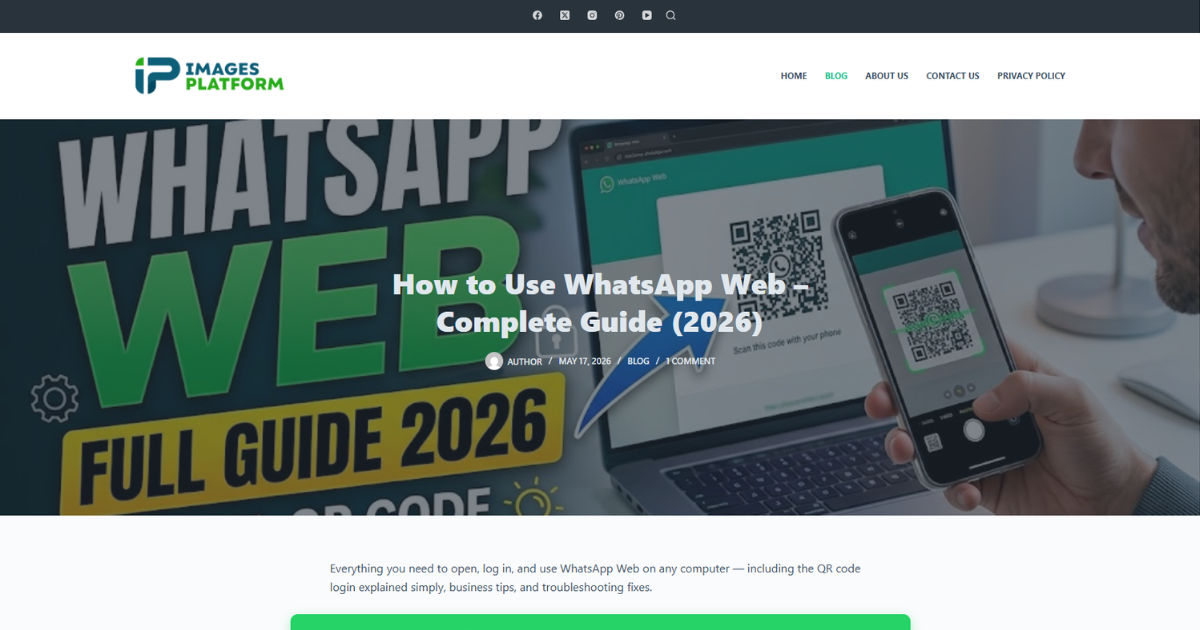 This complete guide explains everything in simple language so you can understand why whatsapp web login is not working today and how to fix it step by step.